


Heating Maintenance in Phoenix, AZ
Phoenix heating maintenance tailored for desert conditions improves efficiency, reduces emergency repairs, and extends equipment life. Schedule service today.
For Phoenix, AZ homes, heating maintenance needs to focus on desert-specific challenges to keep systems reliable, efficient, and safe year-round. At Arizona TradeMasters, our program covers common heating technologies like gas furnaces, electric furnaces, heat pumps, and ductless Mini Splits. We provide a seasonal, multi-point inspection that prioritizes safety, performance, and cleanliness. This includes diagnostics for combustion, airflow, thermostat calibration, and component wear, along with actionable recommendations and prevention strategies. Regular service from us reduces energy waste, lowers emergency repairs, and extends equipment life, ensuring your comfort during both hot days and chilly nights.
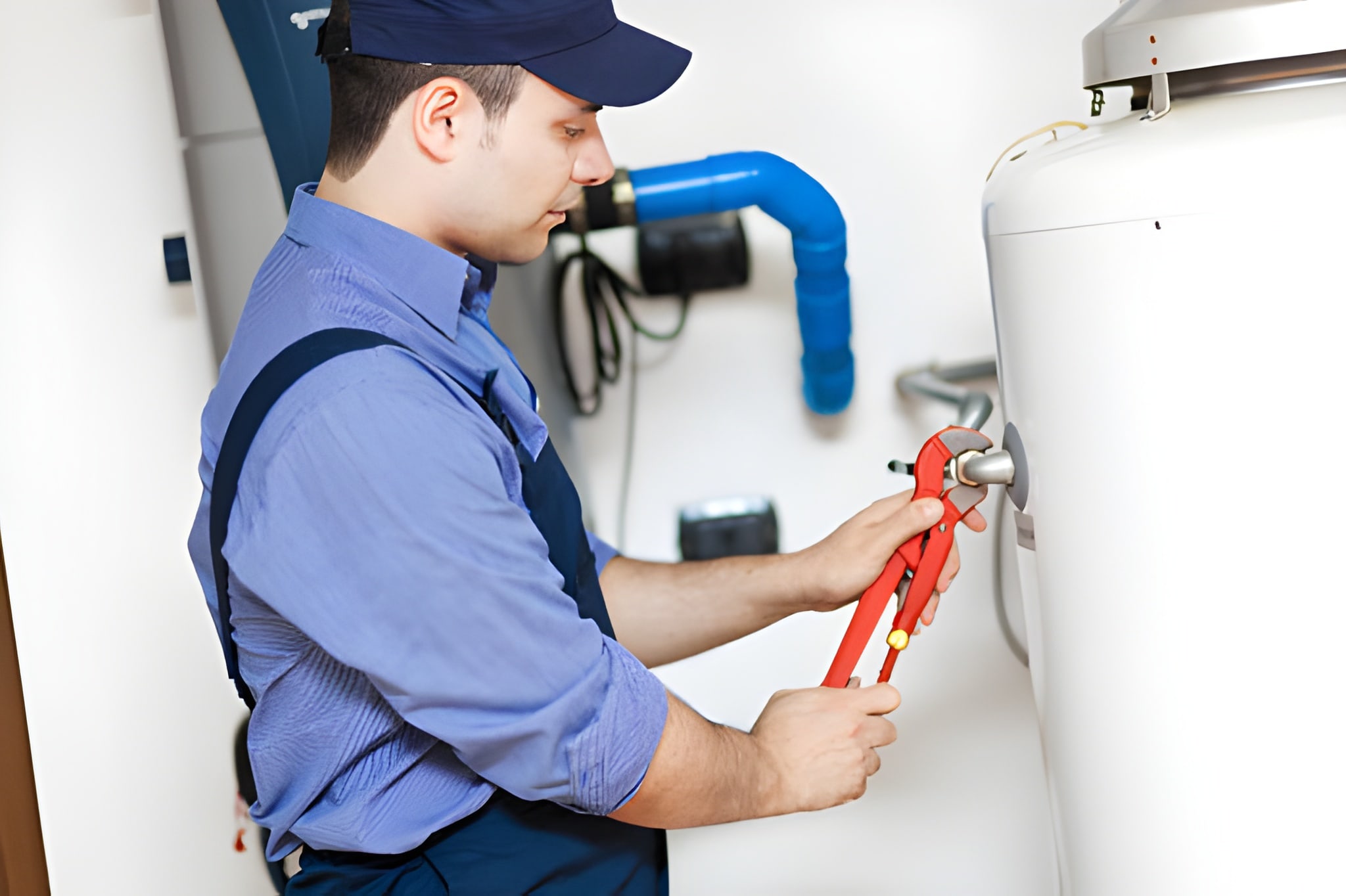
Heating Maintenance in Phoenix, AZ
Keeping your heating system reliable and efficient in Phoenix, AZ requires a maintenance approach tuned to desert conditions: lots of dust, seasonal temperature swings, and intermittent heating needs. Routine heating maintenance helps prevent mid-winter surprises, extends equipment life, improves indoor air quality, and keeps systems running safely and cost-effectively in Valley homes.
Why heating maintenance matters in Phoenix
- Phoenix winters are mild but can bring chilly nights and occasional cold snaps when heating is needed. Systems that sit idle for long stretches are more likely to experience failures when first used.
- Desert dust and frequent monsoon storms increase debris and particulate load on filters, coils, and blower components accelerating wear and reducing airflow.
- Proper maintenance improves efficiency, reduces emergency repairs, prolongs equipment life, and lowers the likelihood of safety hazards such as carbon monoxide leaks on gas systems.
Common heating systems in Phoenix homes
- Gas furnaces (common in older or gas-equipped homes)
- Electric furnaces and electric-resistance heaters
- Heat pumps and reverse-cycle systems (increasingly popular for year-round climate control)
- Ductless Mini Splits (often used for room-specific heating)Each system has specific maintenance needs; a thorough program covers the relevant components for your setup.
Typical heating maintenance services and seasonal inspection checklist
A professional seasonal inspection will include a multi-point check that focuses on safety, performance, and cleanliness. Key items typically covered:
- Visual inspection of the unit and surrounding area for corrosion, pests, or physical damage
- Filter inspection and replacement or guidance on filter schedules
- Combustion and venting inspection for gas furnaces: check for proper flue draft, secure connectors, and signs of corrosion or blockages
- Carbon monoxide (CO) leak testing and verification of proper combustion
- Ignition and pilot assembly checks (electronic ignition or pilot light)
- Heat exchanger inspection for cracks or wear (critical for gas systems)
- Blower motor and fan cleaning, lubrication where applicable, and amperage/load checks
- Airflow and static pressure assessment to verify ductwork performance
- Thermostat calibration and settings verification
- Refrigerant checks and performance tuning for heat pumps, including subcooling/superheat checks where needed
- Condensate drain inspection and cleaning for systems that produce condensate
- Electrical connection tightening, capacitor checks, and safety control tests
- System performance test: heat output, temperature rise across the furnace, and run-cycle behavior
- Written report detailing findings, recommended repairs, and efficiency observations
Recommended maintenance frequency
- Gas furnace: annual inspection and Tune-Up before the first heating season (typically fall)
- Heat pump: biannual service is ideal one Tune-Up in fall and one in spring to cover both heating and cooling seasons
- Filters: check monthly; replace at least every 1–3 months depending on filter type, indoor dust level, and pet presence
- Ductwork and vents: inspect annually for leaks, gaps, and debris Local conditions like dust storms or high pollen periods may require more frequent checks and filter replacements.
Safety checks and compliance
Safety is central to any proper heating maintenance visit:
- CO testing and vent inspection for combustion systems
- Gas leak detection for gas-supplied equipment
- Verification of flame characteristics and combustion efficiency
- Confirmation that safety switches, limit controls, and emergency shutoffs function correctly A proactive safety focus reduces risks to occupants and prevents silent failures that can lead to dangerous conditions.
Benefits of preventative heating maintenance
- Greater system efficiency and lower energy use during heating cycles
- Reduced risk of breakdowns and fewer emergency repairs
- Extended equipment lifespan through early detection of wear and minor repairs
- Better indoor air quality from cleaner components and timely filter changes
- Consistent comfort with fewer temperature swings and more reliable start-up after long idle periods These benefits are particularly valuable in Phoenix where systems may alternate between heavy cooling and intermittent heating demand.
Typical maintenance plan features (what to expect in plans or subscriptions)
Maintenance plans tailored for Phoenix homes often include:
- Scheduled seasonal Tune-Ups (annual or biannual)
- Priority scheduling for service visits during peak seasons
- Routine filter replacement options or reminders
- Discounted diagnostic and repair labor rates for plan members
- Detailed inspection reports with recommended actions and expected lifespan guidance
- Optional add-ons such as carbon monoxide detectors, duct sealing assessments, and parts replacement plans Plans vary by provider but should be structured to reduce emergency visits and encourage regular upkeep.
Practical homeowner tips between professional visits
- Change or check filters monthly; after a haboob or heavy dust event change sooner
- Keep the outdoor unit clear of debris, leaves, and landscaping that restrict airflow; protect it from sprays during monsoon season
- Seal or close vents and registers in unused rooms to improve overall system efficiency if recommended by your technician
- Program thermostats to avoid rapid cycling and unnecessary runtime; a conservative setback overnight reduces system strain
- Listen for unusual noises (rattles, banging, or prolonged humming) and note changes in heating performance or odors
- Test smoke and carbon monoxide detectors monthly and replace batteries as needed
- After heavy storms, check outdoor units and service access panels for pest intrusion or water accumulation
- Maintain a clean attic and crawlspace to reduce dust entering ductwork and to limit pest access to equipment
Customer Testimonials
Our customers consistently praise our exceptional service and quality products. Their feedback highlights our commitment to excellence and customer satisfaction.
