


HVAC Tune-Up in Phoenix, AZ
HVAC Tune-Up Phoenix, AZ service improves efficiency and reliability. Learn what’s included, timing, and how to schedule your Tune-Up today.
At Arizona TradeMasters, our Phoenix HVAC Tune-Ups are essential proactive maintenance, specifically tailored to our unique desert conditions. They're designed to prevent frustrating mid-season breakdowns and significantly lower your energy use. We'll show you exactly what a professional Tune-Up includes, addressing typical Phoenix-specific issues with thorough diagnostic tests and offering practical maintenance tips. You'll experience benefits like improved efficiency, enhanced reliability, longer equipment life, and more consistent comfort. Our comprehensive process covers system performance, thermostat calibration, airflow checks, refrigerant verification, electrical safety, lubrication, and detailed documentation. We believe regular, scheduled visits help us identify small problems before they turn into costly repairs, truly protecting your investment.
HVAC Tune-Up in Phoenix, AZ
An annual HVAC Tune-Up is one of the smartest investments a Phoenix homeowner can make. In a desert climate where air conditioners run hard for much of the year, routine maintenance prevents mid-summer breakdowns, reduces energy costs, and keeps indoor comfort consistent.
Why a Tune-Up matters in Phoenix
Phoenix’s long, hot cooling season plus abundant dust and monsoon storms create conditions that accelerate wear on air conditioning systems. High run-times increase electrical stress on capacitors, motors, and contactors. Fine desert dust, pollen, and occasional construction debris clog coils and filters, reducing heat transfer and airflow. Monsoon humidity can raise indoor moisture levels and load the system further. A thorough Tune-Up addresses these specific stresses, so your system performs reliably when temperatures peak.
What a professional HVAC Tune-Up includes
A complete Tune-Up is a systematic inspection, cleaning, calibration, and performance check. Typical components and tasks include:
- System performance testing
- Measure supply and return temperatures to calculate the temperature split (delta T).
- Verify overall cooling capacity and run cycles to assess efficiency.
- Thermostat calibration and controls
- Confirm thermostat accuracy, setpoints, and operating modes.
- Check programmable or smart thermostat settings for optimal schedules.
- Airflow and duct checks
- Inspect returns and supply registers for obstructions.
- Visual inspection of accessible ductwork for leaks, disconnected sections, or insulation gaps.
- Refrigerant pressure verification
- Check refrigerant levels and pressures to ensure proper charge.
- Identify potential leaks or signs of undercharge/overcharge.
- Electrical and safety checks
- Inspect wiring for wear, tighten connections, test capacitors, contactors, and relays.
- Verify safe operation of safety switches and condensate drain protection.
- Lubrication of moving parts
- Lubricate fan bearings and other moving components when applicable to reduce friction and wear.
- Filter, coil, and blower maintenance
- Clean or recommend replacement of air filters.
- Clean evaporator and condenser coils to restore heat transfer efficiency.
- Clean blower assembly and check motor operation.
- Clean or recommend replacement of air filters.
- Minor issue identification
- Identify and document small problems (loose connections, worn belts, minor refrigerant loss) before they escalate into major repairs.
- System documentation and recommendations
- Provide a report of findings, condition notes, and recommended next steps (repairs, part replacements, or scheduling frequency).
Common HVAC problems in Phoenix homes
Because of local conditions, technicians in Phoenix see recurring issues during Tune-Ups:
- Dirty condenser and evaporator coils from dust and pollen
- Clogged filters and reduced airflow, causing reduced cooling and frozen coils
- Low refrigerant or slow leaks due to extended run time
- Worn capacitors and contactors from frequent cycling
- Duct leaks and poor insulation leading to loss of cooled air
- Clogged condensate lines after dust or debris intrusion, risking water damage
- Thermostat miscalibration or bad sensors causing uneven comfort
Addressing these early through Tune-Ups reduces the chance of emergency service calls during heat waves.
Diagnostic steps technicians perform (simple explanation)
A professional Tune-Up relies on measurable checks that are easy to understand:
- Temperature split: Measure return air vs supply air. A healthy split usually falls within a specific range and indicates proper cooling performance.
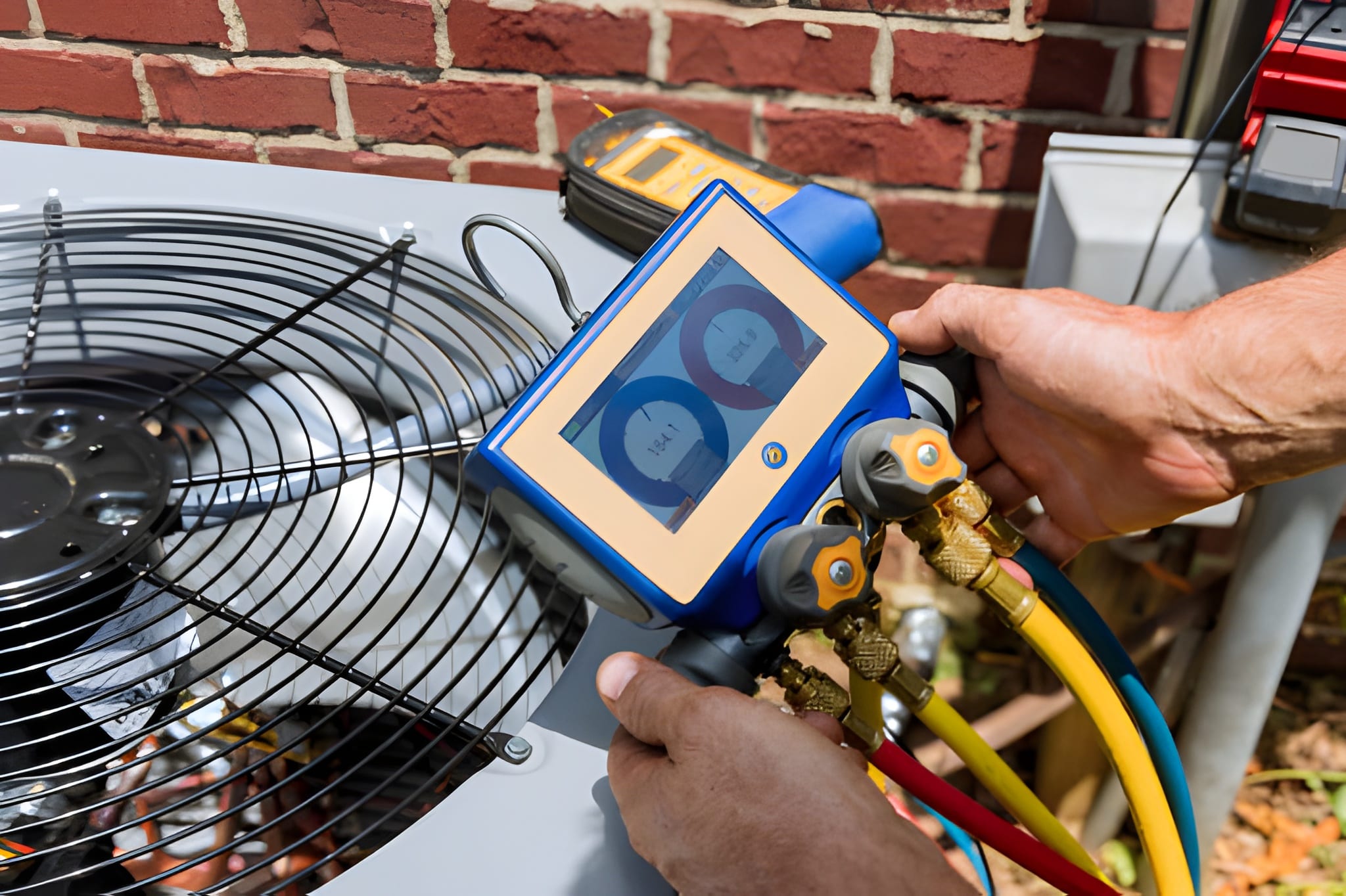
- Refrigerant gauge check: Connect gauges to verify refrigerant pressures are within manufacturer specifications.
- Electrical testing: Measure voltage and amperage to motors and compressors to detect stress or failing components.
- Visual and airflow inspection: Confirm vents are delivering consistent airflow and that duct paths are clear.
- Coil and filter inspection: Assess cleanliness and measure restriction caused by build-up. These tests let technicians pinpoint inefficient components and prioritize repairs that have the biggest impact on reliability and efficiency.
Typical Tune-Up packages (descriptions, no pricing)
Many service providers offer tiered packages so homeowners can choose the level of inspection and care:
- Basic Maintenance Check
- Core safety and performance checks, filter inspection, and thermostat calibration. Good for a quick pre-season check.
- Standard Tune-Up
- Includes all basic checks plus coil cleaning, refrigerant pressure verification, lubrication, and basic duct inspection.
- Comprehensive Inspection
- All standard tasks plus a detailed electrical inspection, advanced airflow testing, condensate line service, and documented recommendations for efficiency upgrades.
Choose a package that matches your system age and the amount of use it receives; older systems or homes with poor indoor air quality often benefit from more comprehensive service.
Recommended timing and frequency in Phoenix
- Schedule a professional Tune-Up before the heavy cooling season ideally in late winter or early spring (February through April) so your system is prepared before temperatures soar.
- Consider an additional inspection after monsoon season if your outdoor unit was exposed to heavy dust and debris or flooding.
- For most Phoenix homes, an annual pre-summer Tune-Up is the minimum. Homes with indoor air quality concerns, pets, or heavy use may benefit from semi-annual service.
Benefits of timely Tune-Ups
- Improved energy efficiency and potentially lower monthly cooling costs
- Increased reliability and fewer emergency breakdowns during extreme heat
- Longer equipment life and delayed need for premature replacement
- Better indoor comfort with consistent room temperatures
- Improved indoor air quality through cleaner filters and coils
- Early detection of small issues before they become costly repairs
Practical homeowner maintenance tips between Tune-Ups
- Replace or clean filters every 1–3 months during the high-use season.
- Keep the outdoor condenser clear of leaves, dirt, and debris; trim vegetation at least 2 feet away.
- Ensure vents and return grilles are unobstructed and open.
- Avoid setting the thermostat at extreme temperatures and use programmable schedules to reduce unnecessary run time.
- Monitor for unusual noises, odors, or higher-than-normal energy bills and schedule an inspection if you notice them.
A properly executed HVAC Tune-Up tailored for Phoenix’s climate can make the difference between a cool, comfortable home and an expensive emergency on the hottest day of summer. Regular maintenance protects your investment, improves comfort, and keeps your system operating efficiently when you need it most.
Customer Testimonials
Our customers consistently praise our exceptional service and quality products. Their feedback highlights our commitment to excellence and customer satisfaction.
