


HVAC Service in Buckeye, AZ
Buckeye, AZ HVAC service provides routine inspections, diagnostics, and minor repairs by certified technicians. Schedule for reliable comfort and efficiency.
HVAC Service in Buckeye, AZ
Keeping your home comfortable year-round in Buckeye, AZ, truly means trusting an HVAC service that deeply understands our desert heat, persistent dust, and intense monsoon season. Our Arizona TradeMasters HVAC service in Buckeye, AZ, covers routine inspections, thorough diagnostics, minor repairs, essential filter and component replacements, performance optimization, and convenient ongoing service agreements. Every step is delivered by our qualified, certified technicians who follow clear scheduling and customer support processes. We'll guide you through what to expect, common local issues, and why timely service is so vital for homes in Buckeye.
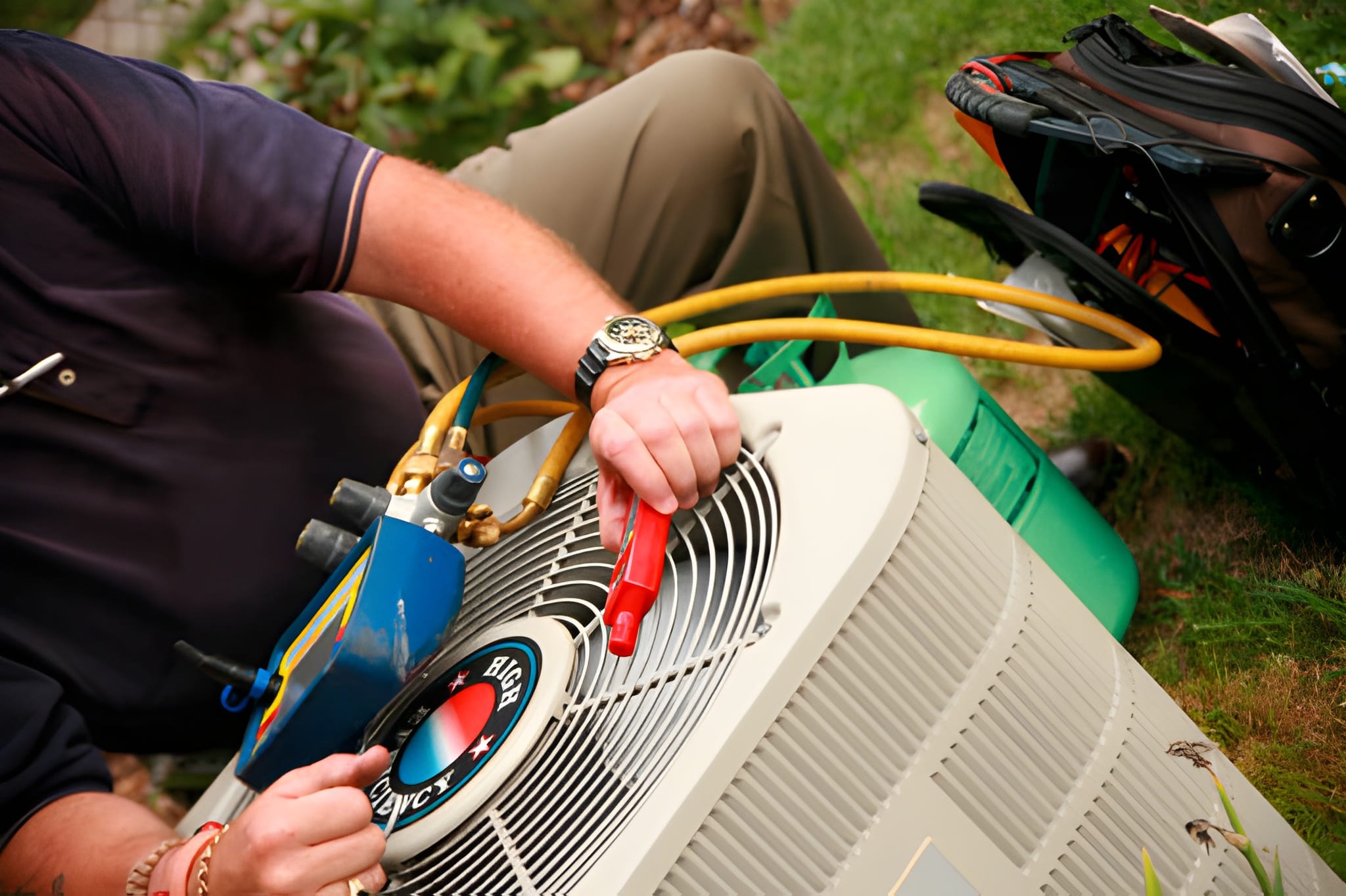
Why timely HVAC service matters in Buckeye, AZ
Buckeye’s hot, dry summers and seasonal monsoon storms place unique stresses on heating and cooling systems. High outdoor temperatures make efficient air conditioning essential for comfort and safety, while dust, pollen, and wind-driven debris accelerate wear on filters, coils, and motors. Regular HVAC service prevents unexpected breakdowns during peak heat, reduces energy costs, and extends equipment life by catching small issues before they become major repairs.
Common HVAC issues in Buckeye, AZ
Homeowners in Buckeye frequently call about these problems:
- Reduced cooling capacity or weak airflow, often caused by clogged filters, dirty evaporator or condenser coils, or failing blower motors
- Short cycling or frequent on/off cycles, typically due to thermostat problems, improper refrigerant charge, or oversized equipment
- High energy bills during summer months caused by degraded system efficiency or duct leaks
- Frozen evaporator coils from restricted airflow or low refrigerant
- Noisy operation from failing bearings, loose components, or unbalanced fans
- Condensate drain clogs and water leaks after heavy use or during monsoon humidity changes
- Rusted or damaged outdoor units after wind-driven debris and dust exposure
Routine inspections and preventive maintenance
Routine inspections are the backbone of reliable HVAC performance in Buckeye homes. Standard inspection and maintenance visits typically include:
- Visual system walk-through and thermostat calibration
- Air filter check and replacement recommendations; replacement if requested
- Cleaning and inspection of condenser and evaporator coils to restore heat transfer
- Lubrication of motors and moving parts where applicable
- Inspection and testing of electrical connections, capacitors, and relays
- Refrigerant level check and leak detection if performance indicates low charge
- Condensate drain inspection and clearing of blockages
- Airflow measurement and static pressure checks to identify duct restrictions
These checks improve cooling efficiency during extreme temperatures and reduce the risk of mid-summer failures.
Diagnostics and transparent reporting
When a problem is reported, the diagnostic process focuses on identifying the root cause, not just the symptom. Typical diagnostic steps include:
- Review of system history and any recent service notes
- On-site temperature and pressure measurements, airflow testing, and electrical diagnostics
- Inspection of filters, coils, ductwork, and thermostats
- Leak detection for refrigerant systems and moisture source tracing for water issues
- Clear explanation of findings with repair options, estimated timeframes, and expected outcomes
Detailed diagnostics allow homeowners to make informed decisions about repairs, replacements, or performance upgrades.
Common repairs and component replacements
Minor repairs and component replacements often restore reliable operation without a full system replacement. Common services include:
- Filter replacement and indoor air quality component installation
- Capacitor, contactor, and relay replacements
- Blower motor repair or replacement; fan blade balancing
- Condensate drain cleaning and trap repairs
- Refrigerant recharge after leak repair or small top-offs where appropriate and legal
- Thermostat replacement and smart thermostat setup
- Replacement of sensors, expansion devices, and other small components
Technicians provide estimates that explain the problem, the recommended repair, part quality options, and the expected impact on performance and efficiency.
Performance optimization and energy efficiency
Maximizing efficiency reduces monthly operating costs and reduces strain during peak heat. Performance optimization measures include:
- Coil and duct cleaning to improve airflow and heat transfer
- Sealing duct leaks and insulating accessible duct runs in attics or crawlspaces
- Upgrading to high-efficiency filters and recommending compatible indoor air quality solutions
- Tuning refrigerant charge and airflow for peak SEER performance
- Advising on thermostat programming, zoning, and shading strategies to reduce cooling loads
These steps are particularly valuable in Buckeye, where small efficiency gains add up over a long, hot cooling season.
Service agreements and preventive care plans
Service agreements provide predictable maintenance and priority scheduling. Typical elements of a service agreement include:
- Scheduled seasonal inspections and cleaning (commonly spring for cooling and fall for heating)
- Priority or reduced-wait scheduling during peak seasons
- Discounts on parts and labor for covered repairs
- Detailed service records to support warranty or insurance needs
- Options for single-system or whole-home coverage
A service agreement helps avoid emergency calls during the hottest weeks and keeps equipment functioning optimally.
Technician qualifications and certifications
Qualified technicians ensure safe, code-compliant work. Look for technicians who demonstrate:
- State licensing where required and appropriate insurance coverage
- EPA Section 608 certification for handling refrigerants
- Recognized industry credentials such as NATE (North American Technician Excellence)
- Ongoing manufacturer training for specific system models and warranties
- Clear identification and adherence to safety and worksite protocols
Technicians should provide documented findings, parts lists, and explanations of recommended actions in plain language.
Scheduling options and customer support processes
Reliable scheduling and support reduce stress when a system needs attention. Typical options and processes include:
- Flexible appointment windows including same-day or next-day service for urgent issues
- Emergency or after-hours options during extreme heat events
- Clear arrival windows and technician identification for safety
- On-site estimates with written diagnostic reports and repair options
- Post-service follow-up and documentation of work performed, parts used, and any warranties provided
- Transparent billing and explanation of any warranty or service agreement coverage
These processes improve trust and help homeowners plan around service visits.
Maintenance tips for Buckeye homeowners
Small, regular actions can reduce service needs:
- Replace or clean filters monthly during peak dust season and at least every 1-3 months otherwise
- Keep the outdoor condenser clear of debris, windblown dust, and landscaping for 2-3 feet around the unit
- Shade outdoor equipment where possible without restricting airflow
- Program thermostats for sensible setpoints and use ceiling fans to reduce perceived temperature
- Schedule professional maintenance before the hottest months and after monsoon season
Customer Testimonials
Our customers consistently praise our exceptional service and quality products. Their feedback highlights our commitment to excellence and customer satisfaction.
