


HVAC Tune-Up in Chandler, AZ
HVAC Tune-Up in Chandler, AZ ensures reliable comfort and efficiency, lowers energy costs, and protects equipment. Schedule service today.
HVAC Tune-Up in Chandler, AZ
An annual HVAC Tune-Up in Chandler, AZ? It's honestly one of the best investments you can make to keep your home comfortable and avoid costly mid-summer breakdowns. With our long, hot summers, frequent AC use, and seasonal dust and monsoon debris, Chandler homes place a heavy demand on cooling systems. At Arizona TradeMasters, we know that a thorough Tune-Up identifies worn components, restores efficiency, and significantly reduces the chance of emergency repairs precisely when temperatures hit their peak. It's about peace of mind for you and your family.
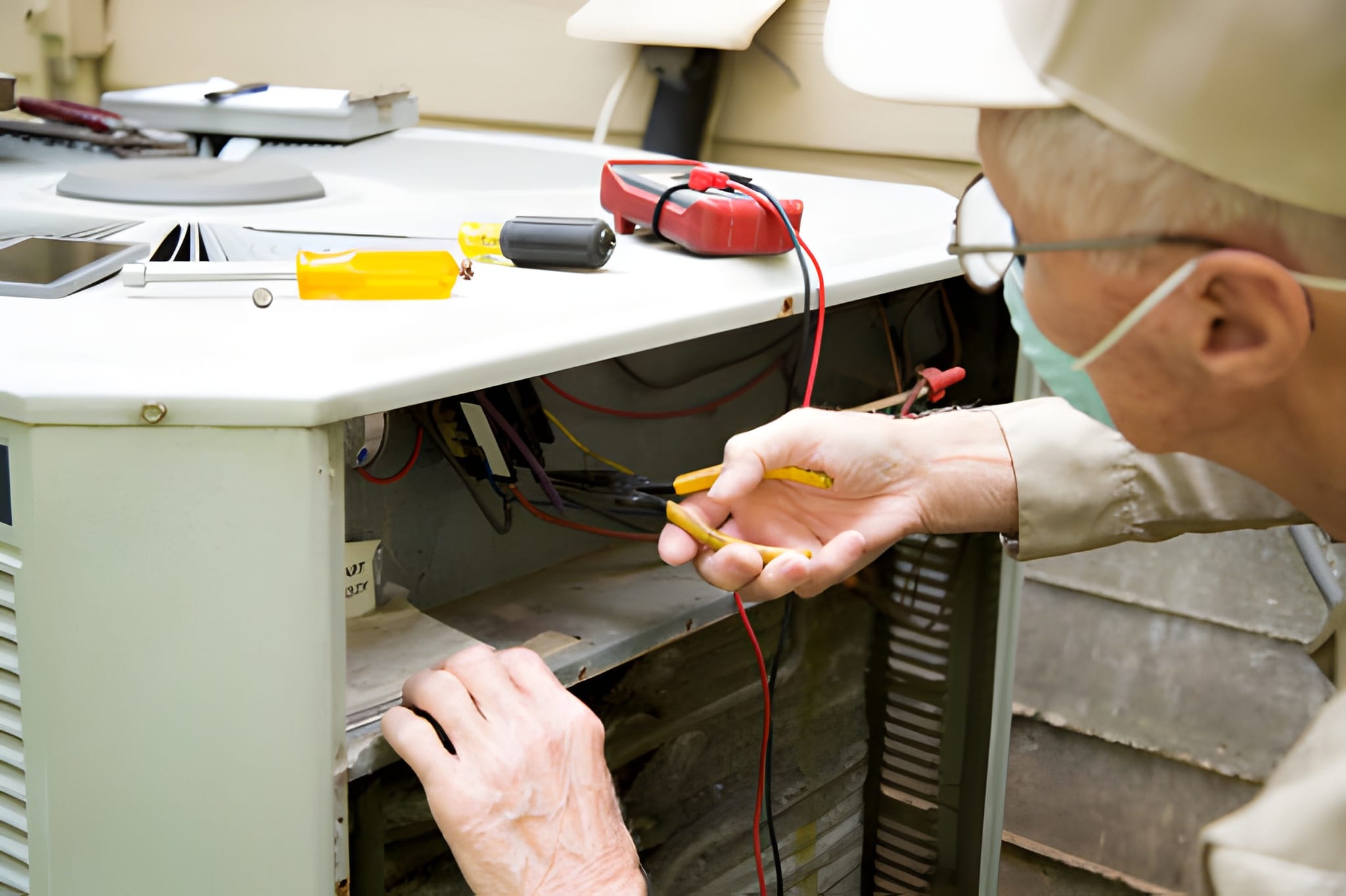
Why a Tune-Up matters for Chandler homes
Chandler’s desert climate accelerates wear on HVAC systems. High run times increase motor and compressor stress. Dust, pollen, and monsoon-driven debris clog coils and filters, reducing airflow and forcing the system to work harder. Regular Tune-Ups improve performance and can protect system warranties that often require documented maintenance. For heat pumps and gas furnaces used seasonally, Tune-Ups ensure safe operation and consistent comfort year round.
Common HVAC Tune-Up issues in Chandler, AZ
- Dirty condenser and evaporator coils that lower efficiency and cause higher energy use
- Reduced refrigerant from slow leaks, which degrades cooling performance and can damage the compressor
- Clogged condensate drains and pans that lead to water damage or system shutdowns
- Worn belts, bearings, and motors causing noise, reduced airflow, or failure
- Faulty capacitors or contactors that prevent the compressor or fan from starting
- Thermostat miscalibration or communication issues that cause inconsistent temperatures
- Duct leaks or dusty ducts that reduce airflow and indoor air quality
- Frozen evaporator coils caused by restricted airflow or low refrigerant
What a professional HVAC Tune-Up includes
A comprehensive Tune-Up follows a systematic checklist so technicians can find and fix issues before they cause breakdowns. Typical elements include:
- System inspection and operational check
- Visual inspection of indoor and outdoor units, mounts, and pan condition
- Startup and shutdown cycles verified under load to observe any unusual sounds or behavior
- Refrigerant level and leak check
- Measure system pressures and refrigerant charge to ensure optimal levels
- Look for signs of leaks and recommend repairs if charge is low
- Airflow and thermostat calibration
- Inspect and measure airflow, static pressure, and temperature differentials (temperature split) to confirm proper cooling performance
- Verify thermostat accuracy, recalibrate if needed, and check sensor placement
- Belt, motor, and blower inspection
- Check belts and pulleys for wear and proper tension; inspect blower wheel and motor for dust buildup or damage
- Lubricate bearings where applicable
- Electrical and safety checks
- Test capacitors, contactors, relays, fuses, and wiring connections for proper operation and safe voltages
- For gas systems: inspect burners, heat exchanger, ignition system, and perform combustion checks when applicable
- Cleaning critical components
- Clean condenser and evaporator coils, clear debris from outdoor unit, and clean or flush condensate drain and pan
- Change or inspect air filters and recommend proper replacement schedules
- Performance testing and reporting
- Measure temperature split, amp draw on motors, and overall system efficiency
- Provide a clear report of findings, recommended repairs or replacements, and expected benefits
Diagnostic process explained
A professional technician starts with the system history and owner observations, then moves through a methodical diagnostic routine. Key diagnostic steps include verifying the thermostat call, measuring refrigerant pressures, checking airflow rates and motor amps, and visually inspecting electrical connections. Modern technicians will compare measured values against manufacturer specifications to determine if components are failing or operating outside safe limits. The result is an actionable list of prioritized repairs and maintenance items you can use to make informed decisions.
Typical repairs and solutions found during Tune-Ups
- Recharging refrigerant only after locating and repairing leaks to prevent repeat loss and compressor damage
- Replacing capacitors, contactors, or start devices that show signs of imminent failure
- Cleaning or replacing severely clogged filters and coils to restore airflow and efficiency
- Clearing condensate clogs and treating drain lines to prevent recurring blockages
- Adjusting or replacing belts and lubricating motors to stop noise and restore airflow
- Sealing accessible ductwork joints and recommending duct inspection for major leaks
Recommended frequency for Chandler, AZ
- Cooling systems (AC and heat pumps): at least once a year before the cooling season; for homes with heavy use, pets, or elevated dust, consider twice yearly inspections
- Gas furnaces and backup heating: annual checks before the heating season, even though heating demand is lower in Chandler
- Homes with older equipment, high indoor humidity, or occupants with allergies may benefit from more frequent maintenance
Expected performance improvements
After a professional Tune-Up you can expect:
- Improved cooling capacity and more consistent indoor temperatures
- Lower energy consumption from reduced system strain and cleaner coils
- Fewer unexpected failures during peak use periods
- Extended equipment service life when small issues are corrected early
- Better indoor air quality through cleaner components and correct filtration
- Enhanced safety for gas-fired systems when combustion and venting are inspected
Simple maintenance tips between professional Tune-Ups
- Check and replace HVAC filters every 1 to 3 months, more often during dustier months
- Keep at least two feet of clearance around outdoor units and remove debris after monsoon storms
- Maintain a shaded area or protective screening for the condenser if possible, but ensure airflow is not restricted
- Avoid wide thermostat temperature swings that force the system into heavy cycling
- Monitor for early warning signs such as odd noises, higher energy bills, weak airflow, or water around the indoor unit
A professional HVAC Tune-Up in Chandler, AZ aligns system performance with local climate demands—reducing operating costs, increasing reliability, and helping protect your home’s comfort when temperatures rise. Regular, documented maintenance also supports longevity and can prevent many of the common failures homeowners in the Valley experience during peak cooling season.
Customer Testimonials
Our customers consistently praise our exceptional service and quality products. Their feedback highlights our commitment to excellence and customer satisfaction.
