


HVAC Tune-Up in Gilbert, AZ
Professional HVAC Tune-Up in Gilbert, AZ restores efficiency and comfort. Schedule now to reduce energy use and prevent mid-summer failures.
HVAC Tune-Up in Gilbert, AZ
If you're a homeowner in Gilbert, AZ, an annual HVAC Tune-Up is truly one of the smartest things you can do to protect your comfort, lower energy use, and reduce the risk of a summertime breakdown. With our long, hot cooling seasons, persistent dust, and periodic monsoon storms, Gilbert homes put tremendous demand on air conditioning systems. That's why our Arizona TradeMasters team makes sure every professional Tune-Up addresses the specific stresses our Arizona systems face, delivering measurable improvements in both performance and reliability for your home.
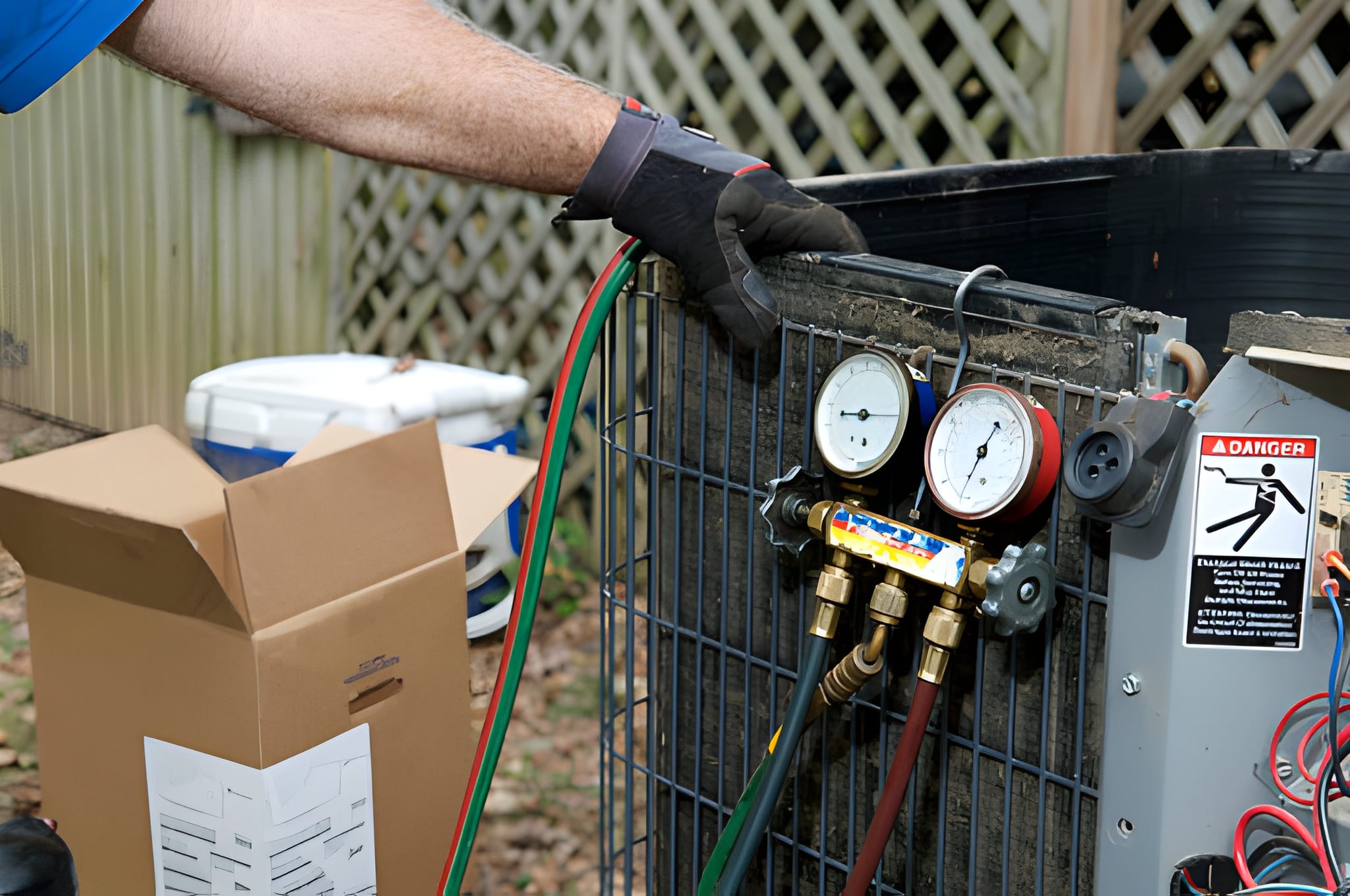
Why a Tune-Up matters in Gilbert, AZ
- Hot summers and frequent run-times increase wear on compressors, motors, and electrical components.
- Dust, pollen, and desert debris quickly coat condenser coils and clog outdoor units, reducing heat transfer.
- Monsoon humidity and sudden storms can introduce moisture and corrosion risks to outdoor components and condensate drains.
- High energy bills during peak cooling months make efficiency gains especially valuable.
A well-executed Tune-Up reduces the chance of a mid-summer failure, helps maintain manufacturer warranty requirements, and typically restores lost efficiency that develops over a season of heavy use.
Common HVAC Tune-Up issues in Gilbert, AZ
- Dirty condenser and evaporator coils that cut cooling capacity and force longer run times.
- Restricted airflow from dirty filters or blower assemblies, reducing comfort and increasing energy use.
- Electrical wear on capacitors, contactors, and terminals due to frequent cycling in extreme heat.
- Refrigerant leaks or low levels that reduce cooling performance and increase compressor stress.
- Clogged condensate drains and pans leading to water damage or system shutdown.
- Improper thermostat calibration or airflow balance that creates hot spots in the home.
What a full HVAC Tune-Up includes
A professional Tune-Up typically follows a systematic checklist to ensure all function and safety items are inspected and adjusted. Tasks commonly performed include:
- Visual and operational inspection of system components, ductwork access points, and refrigerant lines.
- Cleaning coils (condenser and evaporator) to restore heat-transfer efficiency.
- Checking and verifying refrigerant pressures and looking for signs of leaks; measuring superheat/subcooling where applicable.
- Lubricating moving parts such as fan bearings and motor shafts to reduce friction and noise.
- Tightening electrical connections and testing capacitors, contactors, relays, fuses, and breakers for safe operation.
- Verifying airflow by inspecting filters, blower wheel, and static pressure; recommending filter replacement if needed.
- Testing safety controls and switches including float switches, limit switches, and combustion safety if applicable.
- Inspecting condensate lines and drain pans and clearing blockages to prevent overflow.
- Thermostat calibration and controls check to confirm accurate temperature sensing and proper staging.
- System performance verification including temperature split, operating amps, and compressor/function cycles.
Each task is performed with an eye toward identifying imminent failure points and restoring the system to manufacturer-recommended operating condition.
Diagnostic process and estimated duration
- A typical residential split-system Tune-Up usually takes about 60 to 90 minutes for a straightforward job.
- Older systems, units with contamination, multi-stage systems, or those needing minor repairs can take longer.
- The technician will document baseline operating metrics (temperature split, volt/amp readings, refrigerant pressures) and compare results after cleaning and adjustments to demonstrate improvements.
Technicians often perform prioritized repairs or make recommendations if they discover issues that need further attention. For safety and warranty reasons, refrigerant corrections are performed only after identifying and addressing leaks.
Expected performance improvements and energy savings
After a professional Tune-Up you should notice:
- Improved cooling capacity and faster recovery to setpoint temperatures during Gilbert’s hottest hours.
- Reduced runtime for comparable comfort, which lowers utility consumption during peak months.
- Better indoor comfort from restored airflow and properly calibrated controls.
- Lower risk of unexpected failures during heat waves, thanks to tightened electricals and preemptive component checks.
- Potential efficiency gains that commonly range from a few percent up to double-digit improvements in systems that were significantly degraded. The exact savings depend on system age, initial condition, and local usage patterns.
Tune-Ups also help extend equipment life by reducing stress on critical components and maintaining proper refrigerant charge.
Common repairs discovered during Tune-Ups (what they mean)
- Capacitor or contactor replacement: These small electrical parts degrade in heat and are frequent failure points. Replacing them restores reliable starting and reduces stress on motors.
- Refrigerant leak detection and repair: Low refrigerant must be fixed at the source; adding refrigerant without repair is a temporary fix that risks compressor damage.
- Blower motor cleaning or adjustment: Restores proper airflow, which improves cooling and prevents coil frosting or overheating.
- Coil restoration or fin straightening: Enhances heat transfer and reduces compressor run time.
- Condensate drain clearing: Prevents water backup and microbial growth that can lead to system shutdowns and indoor air concerns.
Recommended timing and frequency for Gilbert homes
- Schedule your primary HVAC Tune-Up in early spring, before the heavy cooling season begins, to ensure the system is ready for prolonged summer use.
- Consider a second check after monsoon season (late summer or early fall) if your outdoor unit is exposed to heavy dust, debris, or if you experienced performance issues during peak months.
- For systems older than 10 years or those with heavy daily use, biannual inspections can catch wear before it becomes a costly failure.
Practical maintenance tips between professional Tune-Ups
- Replace or inspect air filters monthly to protect coils and maintain airflow.
- Keep at least 2 feet of clearance around outdoor condensers and clear debris after wind or storms.
- Shade the outdoor unit from direct sun where feasible without restricting airflow.
- Watch for warning signs: higher-than-normal energy bills, weak airflow, longer run times, unusual noises, or unexplained cycling.
- After monsoon storms, visually inspect the outdoor unit for accumulated debris, standing water, or damaged fins.
Broader benefits of regular HVAC Tune-Ups
Regular Tune-Ups are an investment in home comfort, system longevity, and energy efficiency. For Gilbert homeowners, the combination of restored performance and reduced failure risk pays off during prolonged high-temperature periods. Well-maintained systems run cooler, quieter, and more reliably—delivering the consistent indoor comfort that matters most in Arizona summers.
Customer Testimonials
Our customers consistently praise our exceptional service and quality products. Their feedback highlights our commitment to excellence and customer satisfaction.
