


Whole House Dehumidification in Gilbert, AZ
Whole-house dehumidification in Gilbert, AZ helps reduce mold and musty odors while protecting floors—schedule installation and maintenance today.
Understanding whole-house dehumidification for Gilbert, AZ homes means recognizing why humidity control is so crucial for comfort and protecting your property. We'll walk you through different system types, how they integrate with your HVAC, and provide practical guidance on sizing, professional installation, proper drainage, monitoring, and ongoing maintenance. Our experts at Arizona TradeMasters will help you set recommended setpoints (typically around 40-50% RH, especially during monsoon season), and ensure even humidity distribution throughout your entire home. We emphasize the significant health and property benefits, discuss energy considerations, and underline the unmatched value of professional sizing and continuous support from Arizona TradeMasters for reliable, long-lasting comfort in Gilbert's unique climate.
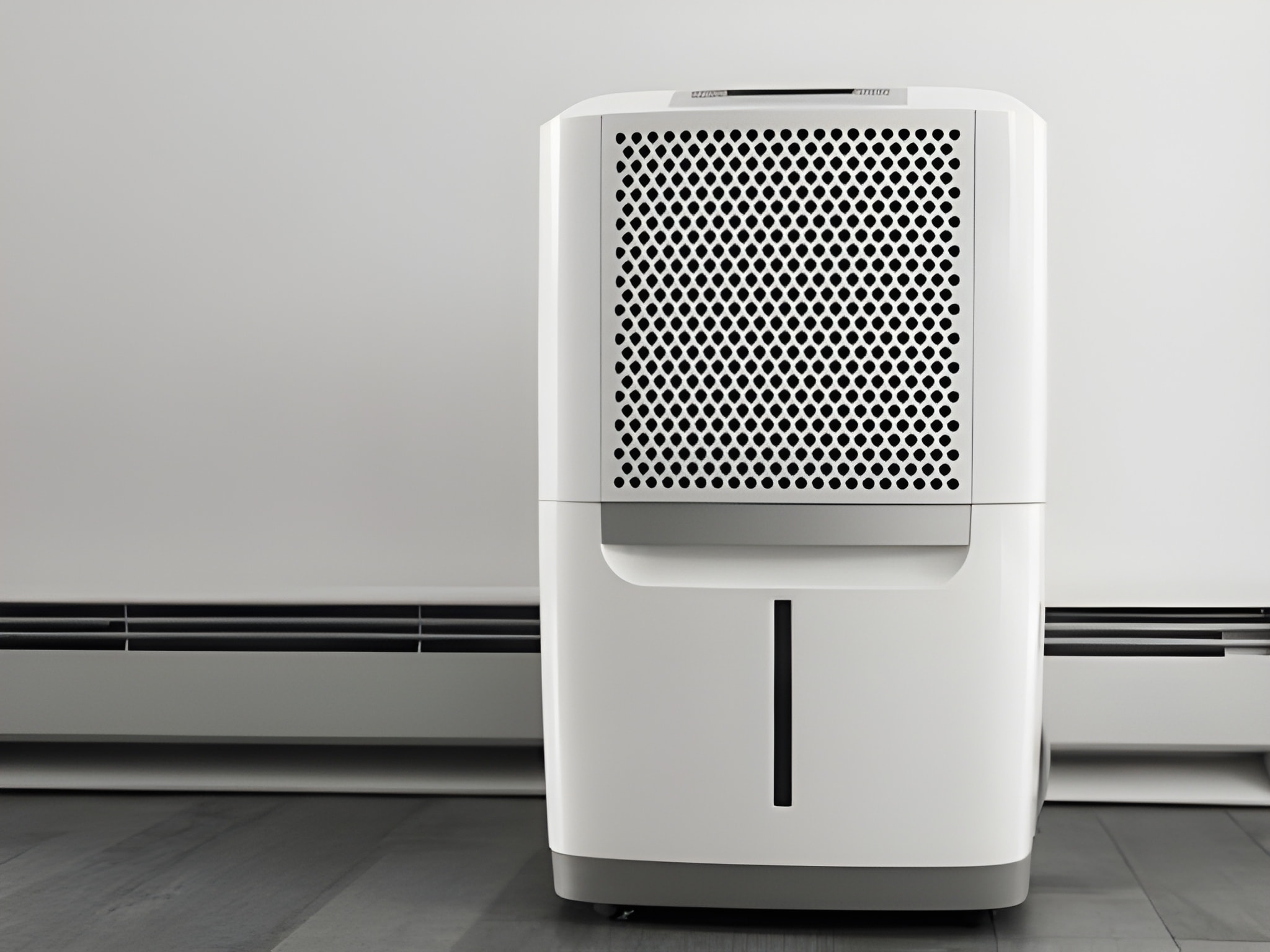
Whole House Dehumidification in Gilbert, AZ
Controlling indoor humidity is a year-round comfort and health decision in Gilbert, AZ. Whole house dehumidification reduces mold risk, protects wood floors and electronics, removes musty odors, and often improves perceived cooling comfort during the hot monsoon months.
Why humidity control matters in Gilbert homes
- Monsoon and irrigation effects: Summers bring high temperatures and periodic monsoon moisture. Landscaped yards, pools, and irrigation systems contribute to higher indoor humidity in some parts of Gilbert.
- Health and comfort: Elevated indoor relative humidity (RH) fosters mold, dust mite growth, and musty odors—common triggers for allergy and respiratory symptoms.
- Protecting your home and belongings: Wood floors, cabinetry, musical instruments, and electronics are sensitive to repeated humidity swings; long-term exposure shortens their life and can cause warping or corrosion.
- HVAC performance: Proper humidity control reduces the latent load on your air conditioner, improving comfort even when air temperature is maintained.
Common whole-house dehumidification issues in Gilbert, AZ
- Condensation on windows and doors during monsoon season
- Persistent musty smells in basements, attics, or enclosed garages
- Warped hardwood floors or swollen doors after summer rains
- High indoor humidity despite running central air conditioning
- Overflowing condensate lines or failed drain pumps in existing dehumidifiers
System types and how they integrate with HVAC
- Ducted refrigerant whole-house dehumidifiers: Mounted near the air handler or in the attic, these remove moisture from return air and discharge drier air into the duct system. They are the most common efficient option for Gilbert homes.
- Bypass/ventilation-style units: Use the HVAC blower to move air through the dehumidifier; suitable when the air handler can be used as part of the system.
- Stand-alone whole-house units: Larger, dedicated cabinets tied into ducts when integration with existing systems isn’t feasible.
- Desiccant dehumidifiers: Less common for residential Gilbert homes; used where very low humidity is required or in specialized spaces.
Integration considerations:
- Most units tie into the air handler and either use the existing thermostat or a dedicated humidistat. Proper control prevents short-cycling and maintains even RH throughout the house.
- Electrical supply and airflow requirements must be matched to the existing HVAC system. Some homes require upgraded breakers or additional controls.
- Drainage options include gravity drains to exterior or floor drains, or condensate pumps where gravity drain is not available.
Proper sizing for Gilbert climate and home square footage
Correct sizing is critical: undersized units will run continuously and fail to reach target RH, while oversized systems can short-cycle. Capacity is typically rated in pints per day (ppd) under AHAM conditions.
General sizing guidance for Gilbert homes (for initial planning only — a load calculation is required for final selection):
- 1,000–1,800 sq ft: 50–70 pints/day
- 1,800–2,800 sq ft: 70–100 pints/day
- 2,800–4,000+ sq ft: 100–140+ pints/day
Homes with pools, heavy indoor plants, attached garages, or frequent visitors will need higher capacity. A manual load calculation that considers local summer humidity, envelope tightness, and moisture sources yields the correct unit selection.
Installation and drainage requirements
- Location: Near the air handler, in the attic, or in a mechanical room. Accessibility for maintenance is important.
- Drainage: Preferred method is a gravity drain to an exterior or floor drain. Where gravity is not possible, a condensate pump is installed. Ensure drain lines are routed to avoid freezing or clogs.
- Electrical: Dedicated circuit may be required depending on the unit. Professional installation verifies breaker size and wiring.
- Ductwork: Sealing and balancing ducts improves whole-house dehumidification performance. Sometimes minor duct modifications or a bypass damper are used to optimize airflow through the dehumidifier.
Recommended humidity setpoints and monitoring
- Target 40–50% RH for most Gilbert homes during monsoon and summer months. This range balances comfort and mold prevention without causing excess dryness.
- In winter, Gilbert’s desert climate can be quite dry; you may prefer slightly higher setpoints or turn the dehumidifier off when outdoor RH drops significantly.
- Use a whole-home humidistat or integrated control with remote sensors for accurate, room-by-room monitoring.
Maintenance and seasonal considerations
- Filters: Clean or replace intake filters every 1–3 months during heavy use.
- Coils and coils fins: Inspect and clean coils annually to maintain capacity and efficiency.
- Drain lines and condensate pump: Flush drain lines monthly during monsoon season and test condensate pump operation.
- Annual checkup: A pre-monsoon service visit ensures controls, electrical connections, and drainage are working and that the unit is optimized for peak humidity conditions.
- Winter care: When humidity needs are low, put the system into standby; check manufacturer guidance for cold-weather operation if the unit is in an unconditioned attic.
Energy efficiency and operating considerations
- Whole-house dehumidifiers vary in electrical draw by capacity and model. Integrated ducted units are typically more efficient and can lower the latent load on your A/C, sometimes improving overall comfort with comparable or lower total energy use than portable units running continuously.
- Units with variable-speed compressors and smart controls use less energy by modulating output and avoiding on/off cycling. Look for models designed for continuous residential operation and matched to your home size for best efficiency.
Expected outcomes and health benefits
- Reduced mold and mildew growth, particularly after monsoon events
- Fewer musty odors and decreased allergy triggers from dust mites and mold spores
- Improved comfort at higher thermostat setpoints (you may feel comfortable with slightly higher temperatures when humidity is controlled)
- Protection for wood floors, artwork, and electronics from humidity-related damage
Service plans and ongoing support
Typical service offerings include scheduled annual inspections, filter and coil cleaning, drain line maintenance, and control calibration. These plans ensure reliable performance during Gilbert’s peak humidity months and prolong equipment life without unexpected interruption.
FAQs — Common homeowner questions in Gilbert, AZ
Q: How is a whole-house dehumidifier different from a portable one?
A: Whole-house units integrate with your HVAC and treat air for the entire home uniformly. Portable units treat single rooms, require emptying or pumps, and are less efficient for whole-home moisture control.
Q: Will a dehumidifier make my house feel cooler?
A: It improves perceived comfort by removing moisture; you may be comfortable at a slightly higher thermostat setting, but the dehumidifier itself does not replace cooling.
Q: Where is the best place to install the unit?
A: Near the air handler or in a mechanical area with access to return ductwork and a drain. Accessibility for maintenance is important.
Q: How often should I service my unit?
A: Basic maintenance (filters and drain flushing) monthly during heavy use, with a professional inspection annually or before the monsoon season.
Q: Can dehumidification help with mold already present?
A: Lowering RH prevents further mold growth and spread, but visible mold should be remediated and the moisture source addressed before relying solely on dehumidification.
Q: What humidity level should I set for the Gilbert monsoon season?
A: Aim for 40–50% RH; keeping RH below 50% is the most important threshold for mold prevention in our climate.
Whole-house dehumidification in Gilbert, AZ is a practical investment for comfort, health, and property protection—especially during the summer monsoon season and in homes with moisture-generating features like pools and irrigation. Proper sizing, professional installation, and routine maintenance ensure reliable performance and long-term benefits for your home.
Customer Testimonials
Our customers consistently praise our exceptional service and quality products. Their feedback highlights our commitment to excellence and customer satisfaction.
