


Whole House Dehumidification in Glendale, AZ
Whole-house dehumidification Glendale, AZ helps reduce humidity and mold risk while improving comfort—schedule installation and free consultation today.
Whole House Dehumidification for Glendale, AZ Homes
Controlling indoor humidity is absolutely essential for comfort, protecting your home and belongings, and preventing moisture-related issues. Here in Glendale, AZ, our hot, dry days are often interrupted by monsoon season humidity and even irrigation-driven moisture. A whole-house dehumidification system from Arizona TradeMasters can help stabilize your indoor relative humidity, significantly reduce mold risk, boost your HVAC system's performance, and safeguard valuable items like wood floors, electronics, and stored goods.
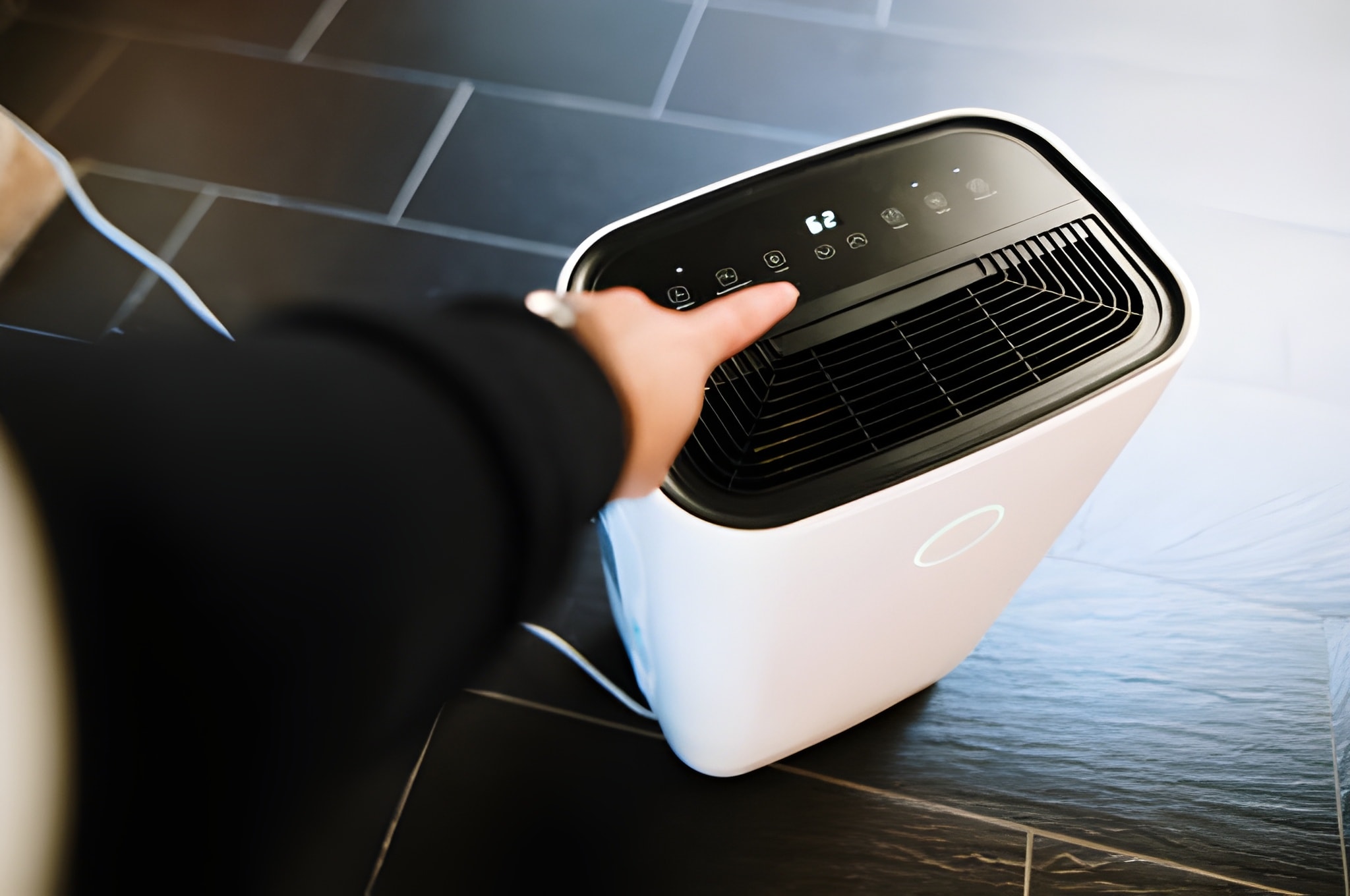
Why humidity control matters in Glendale homes
- Mold and mildew prevention: Even in desert climates, seasonal humidity spikes and indoor moisture sources (cooking, showers, pools, irrigation) create conditions where mold can grow inside attics, closets, and behind walls.
- Comfort and perceived temperature: Lowering indoor humidity makes air feel cooler and reduces the runtime needed from your air conditioner to reach comfortable conditions.
- Protecting materials and belongings: Wood furniture and flooring, musical instruments, artwork, and paper can warp, swell, or deteriorate with repeated humidity swings.
- Indoor air quality and health: Excess humidity encourages dust mites and some allergens. Keeping relative humidity within a stable range reduces respiratory and allergy triggers.
Common whole-house dehumidification issues in Glendale, AZ
- Persistent damp rooms or musty odors in basements, laundry areas, or enclosed garages.
- High indoor humidity during monsoon season even when AC is running.
- Ice formation on evaporator coils or short-run AC cycles caused by high latent loads.
- Inadequate dehumidification from portable units that only treat single rooms.
- Condensate management problems after installation, such as clogged drain lines or improper routing.
Types of whole-house dehumidifiers and how they work
- Add-on ducted dehumidifiers (refrigerant-based): Mounted next to or inside the HVAC ductwork, these units pull conditioned air, remove moisture via a cold coil, then return drier air to the system. They are sized by capacity (pints per day) and integrate closely with your furnace or air handler.
- Integrated HVAC dehumidification: Some newer HVAC systems include built-in dehumidification cycles and variable-speed compressors to control humidity without overcooling.
- Desiccant dehumidifiers: Less common for typical residential Glendale homes, these use moisture-absorbing materials and are used in specialized applications or very high-humidity environments.
How they integrate with HVAC systems
- Bypass vs. duct-mounted configurations: Bypass models route a portion of return air through the dehumidifier and back to the return, while duct-mounted models treat the main airflow for whole-house coverage.
- Controls and setpoints: Whole-house systems often tie into your thermostat or a standalone humidistat to maintain a target relative humidity. Smart controls can coordinate with AC cycles to improve efficiency.
- Drainage and electrical: Professional installation ties the unit into the condensate drainage system and the household electrical supply, ensuring safe operation.
Sizing a system for Glendale square footage and climate
Sizing depends on home square footage, occupancy, sources of moisture (pools, frequent cooking, number of occupants), insulation, and local climate patterns like monsoon season. Key considerations:
- Capacity ratings: Measured in pints of moisture removed per day. Homes with higher occupancy or moisture sources need higher capacity.
- Climate factor: Glendale’s dry baseline reduces continuous latent load compared with humid coastal regions, but monsoon months, irrigation, and pool evaporation can create temporary spikes that require adequate capacity.
- Air changes and ductwork: Proper airflow and duct design ensure the dehumidifier treats the full house evenly. A professional load calculation (including latent load analysis) determines the right size rather than a rule-of-thumb based strictly on square footage.
Installation steps and drain options
- Assessment and load calculation: Technician evaluates home layout, HVAC system compatibility, and moisture sources.
- Unit placement: Common locations include the furnace closet, garage, attic, or adjacent to the air handler. Access and serviceability are considered.
- Drain options:
- Gravity drain to an exterior or drainage point when elevation allows.
- Condensate pump to move water uphill or across distance to a drain or utility sink.
- Tie-in to existing condensate plumbing, provided line size and slope meet local code.
- Electrical and control wiring: Dedicated circuit or hardwired connection to HVAC controls and humidistat.
- Testing and balancing: After installation, airflow, humidity response, and drainage are tested to ensure even dehumidification.
Recommended indoor humidity ranges
- Target range for Glendale homes: 35 to 50 percent relative humidity is generally recommended.
- Seasonal adjustments: Aim toward the lower end (35-45%) during monsoon months to prevent mold growth; slightly higher (40-50%) is acceptable in cooler, drier periods to avoid excessive dryness that can cause static or wood shrinkage.
- Special considerations: Homes with sensitive collections, musical instruments, or specific health needs may need tighter control and monitoring.
Maintenance and energy efficiency
- Regular maintenance tasks:
- Replace or clean intake filters per manufacturer intervals.
- Inspect and flush condensate lines to prevent clogs and microbial growth.
- Annual service check of coils, refrigerant levels (for refrigerant-based units), and controls.
- Check pump function and drain routing if a condensate pump is installed.
- Energy efficiency tips:
- Choose units with variable-speed compressors or smart controls for lower energy use.
- Properly sealed and insulated ductwork reduces wasted treated air.
- Coordinating dehumidification with AC operation reduces overall runtime and can lower utility use in hot months.
Typical cost factors and financing options
- Cost drivers include unit capacity and technology (refrigerant vs. desiccant), integration complexity with your existing HVAC, required electrical upgrades, and drain routing challenges.
- Additional costs come from duct modifications, labor for access to tight spaces, and permits where required by local code.
- Financing options: Many contractors offer financing plans or partner with third-party lenders, and energy-efficiency rebates may be available through local utility programs or municipal incentives. Home improvement financing and service agreement bundles are commonly available for spreading cost and ensuring ongoing performance.
Service agreements and warranties
- Service agreements typically include scheduled maintenance visits, priority service, discounted repairs, and an annual performance check that keeps the system calibrated for Glendale’s seasonal conditions.
- Warranty coverage varies by manufacturer and may include limited parts and labor for specific periods; extended warranties and service plans can protect against unexpected repair costs and maintain efficiency over the lifetime of the unit.
Customer Testimonials
Our customers consistently praise our exceptional service and quality products. Their feedback highlights our commitment to excellence and customer satisfaction.
