


Whole House Dehumidification in Paradise Valley, AZ
Whole-House Dehumidification in Paradise Valley, AZ helps control humidity, protects finishes, and improves IAQ. Learn more.
Whole House Dehumidification in Paradise Valley, AZ
For Paradise Valley homeowners, keeping indoor humidity under control goes far beyond simple comfort. Those high humidity levels during our summer monsoon season, coupled with lush irrigation, sparkling pools, and today's tightly sealed luxury construction, create the perfect storm for mold, mildew, dust mites, and pervasive musty odors. Here at Arizona TradeMasters, we offer whole-house dehumidification systems that provide consistent, reliable humidity control across every corner of your HVAC-served home. This not only protects your exquisite finishes and dramatically improves indoor air quality, but it can also often reduce your air conditioner's runtime and significantly cut down on energy waste.
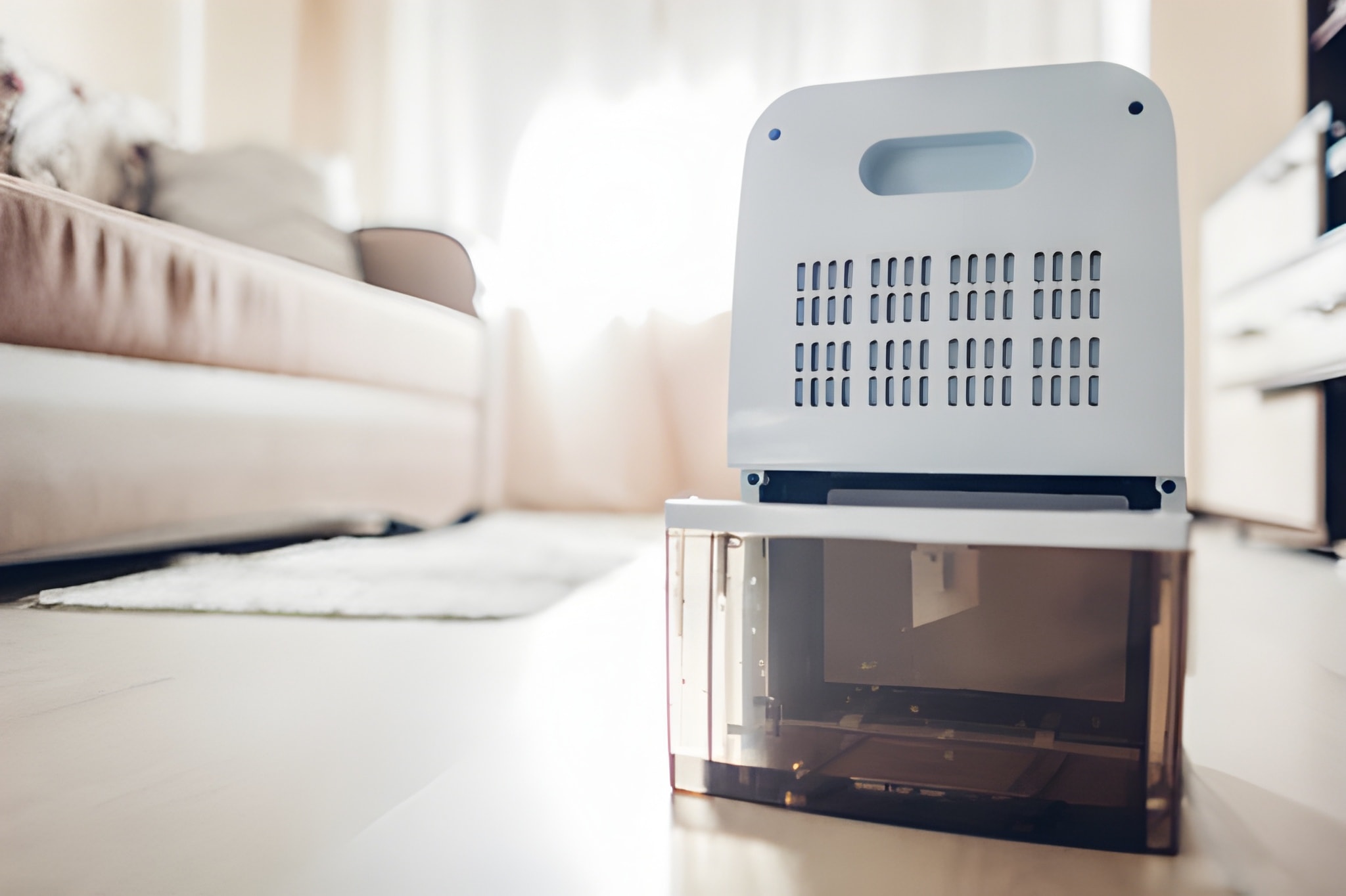
Why whole-house dehumidification matters in Paradise Valley
- Monsoon spikes: Seasonal storms push outdoor humidity into the valley. That moisture can migrate indoors through gaps or forced-air systems.
- Pools and water features: Evaporation from pools, spas, and fountains contributes to persistent indoor humidity in adjacent living spaces.
- High-end construction: Well-sealed homes and energy-efficient windows can trap indoor moisture, raising relative humidity (RH) even when temperatures are controlled.
- Mold risk and material damage: Elevated RH promotes mold growth on wood, drywall, and insulation and accelerates corrosion or finish deterioration.
Controlling RH to a target range (typically 40 to 50 percent) resolves these problems while maintaining occupant comfort without overcooling the home.
Common whole-house humidity problems in Paradise Valley homes
- Musty basements, closets, or media rooms
- Condensation on windows and doors in mornings
- Mold or mildew on tile grout, behind furniture, or on exterior walls
- AC short-cycling or oversized runtimes with little comfort improvement
- Increased allergy symptoms or odor complaints
- High HVAC energy use due to the system working to remove moisture as well as heat
How whole-home dehumidifiers work and integrate with your HVAC
Whole-house dehumidifiers are designed to work in tandem with your central HVAC system. Typical installations include:
- Duct-mounted units in the return plenum or next to the air handler
- Dedicated ducted dehumidifiers with supply and return connections for balanced air distribution
- Bypass configurations that pull return air, remove moisture, and return dry air to the system
Most units use a refrigeration cycle similar to an air conditioner to condense moisture, then reheat the passing air slightly before returning it to living spaces. Integration options allow the dehumidifier to operate independently of the compressor or coordinated with the HVAC system so humidity is managed without unnecessary cooling.
Capacity sizing (pints/day) and selection guidance
Selecting the right capacity is crucial. Whole-house dehumidifiers are rated in pints per day (how much water they can remove at specified conditions). Consider these factors:
- Home square footage and volume
- Number of occupants and indoor activities (cooking, laundry)
- Presence of pools, hot tubs, or water features
- Crawlspaces, attached garages, or slab-edge moisture
- How airtight the home is and local microclimate exposure
General guidance (typical ranges):
- Small homes and tight 1,000 to 1,500 sqft spaces: 40 to 70 pints/day
- Medium homes 1,500 to 3,000 sqft: 60 to 90 pints/day
- Large homes 3,000+ sqft or homes with pools/large water loads: 90 to 140+ pints/day
These are starting points. Final sizing should come from a site assessment measuring existing humidity loads and HVAC capacity. Oversizing increases energy use and short-cycling; undersizing fails to control RH during peak humidity.
Installation and drainage options
Professional installation ensures safe, code-compliant drainage and proper airflow. Common drainage methods:
- Gravity drain to an existing floor drain or condensate line (preferred when available)
- Condensate pump to move water to a nearby drain or exterior
- Connection to HVAC drain pan with appropriate trap and venting
- PVC runs to exterior drains with slope and insulation where needed
Installation also includes proper duct sealing and balancing to ensure even distribution and avoid pressurization issues. Location choices minimize refrigerant run length and provide adequate service access.
Thermostat and control integration
Whole-house dehumidifiers are controlled either by dedicated humidistats or integrated with modern thermostats and home automation systems. Best practices:
- Use a wall-mounted humidistat placed in a main living area, 3 to 5 feet above the floor, away from direct sunlight, kitchens, and bathrooms
- Smart thermostats and whole-home controllers can coordinate HVAC and dehumidifier operation for energy savings and balanced comfort
- Zoned systems require humidity sensing in representative zones or supplemental dehumidification for problem areas
- Set target RH based on season and comfort: commonly 40 to 50 percent in Phoenix metro area conditions
Energy efficiency and operating cost information
Whole-house dehumidifiers are generally more energy-efficient than multiple portable units because they treat central air and reduce duplicated equipment. Efficiency depends on unit design, controls, and local conditions.
Typical performance notes:
- Modern units operate in a range roughly equating to under 1 to 1.5 kWh per gallon of water removed in many real-world climates, with variability by model and conditions.
- Example estimate: a unit removing 50 pints/day equals 6.25 gallons/day. At an illustrative efficiency of 1 kWh per gallon, that is about 6.25 kWh/day. At a local residential electricity cost range of roughly $0.13 to $0.20 per kWh, operating would be on the order of a few dollars per day during peak humidity periods. Actual costs will vary based on runtime, setpoint, and local rates.
Energy-saving tips:
- Coordinate dehumidifier operation with AC cycles using controls that prioritize humidity removal during off-peak or efficient periods
- Use variable-speed HVAC blowers to maintain proper airflow at lower energy draw
- Seal ducts and improve attic insulation to reduce moisture migration
Maintenance requirements
Routine maintenance keeps the system efficient and reliable:
- Replace or clean the dehumidifier filter as recommended, typically every 3 to 6 months
- Inspect condensate drains and traps for clogs; flush periodically
- Check condensate pump operation and clean float switches if present
- Annual professional inspection: check refrigerant charge, coil cleanliness, controls calibration, and airflow
- Monitor humidity sensors for drift and replace as needed
Proper maintenance preserves capacity, reduces energy use, and extends equipment life.
Typical outcomes and benefits
When properly sized, installed, and maintained, whole-house dehumidification in Paradise Valley homes typically achieves:
- Stable indoor RH in the 40 to 50 percent range
- Noticeable reduction in musty odors and mold growth
- Improved comfort with less need to overcool the home
- Reduced dust mite and allergen activity
- Lower perceived humidity without excessive energy use; in many cases, AC efficiency improves because the HVAC can focus on temperature while the dehumidifier handles moisture
Service plans and warranties
Manufacturers and service providers typically offer:
- Limited parts and compressor warranties varying by model and manufacturer; compressors often carry longer coverage than other components
- Optional extended warranties for parts and labor
- Service plans that include annual preventive maintenance, priority scheduling, filter replacement, and discounted repairs
- Performance verification visits to confirm humidity targets and tweak controls seasonally
Selecting a unit with clear warranty terms and enrolling in routine maintenance plans helps ensure predictable performance and long-term value.
Whole-house dehumidification is a practical, effective strategy for Paradise Valley homes that face seasonal humidity, pool-related moisture, and the challenges of modern tightly sealed construction. When sized and integrated correctly, these systems resolve moisture problems, protect home assets, and enhance year-round comfort.
Customer Testimonials
Our customers consistently praise our exceptional service and quality products. Their feedback highlights our commitment to excellence and customer satisfaction.
