


Whole House Dehumidification in Tempe, AZ
Whole-house dehumidification in Tempe, AZ stabilizes humidity, protects wood and furnishings, and improves comfort.
Whole House Dehumidification in Tempe, AZ
In Tempe homes, humidity control often flies under the radar until you're hit with those tell-tale musty odors, see condensation on your windows after a monsoon storm, or worse, spot unexplained mold in your bathrooms and closets. At Arizona TradeMasters, we offer whole-house dehumidification for Tempe, AZ homeowners as a smart, long-term, and energy-conscious solution. It works hand-in-hand with your central HVAC to maintain indoor relative humidity (RH) within a healthy range all year long, safeguarding your comfort, boosting indoor air quality, and protecting your home’s beautiful woodwork and cherished furnishings.
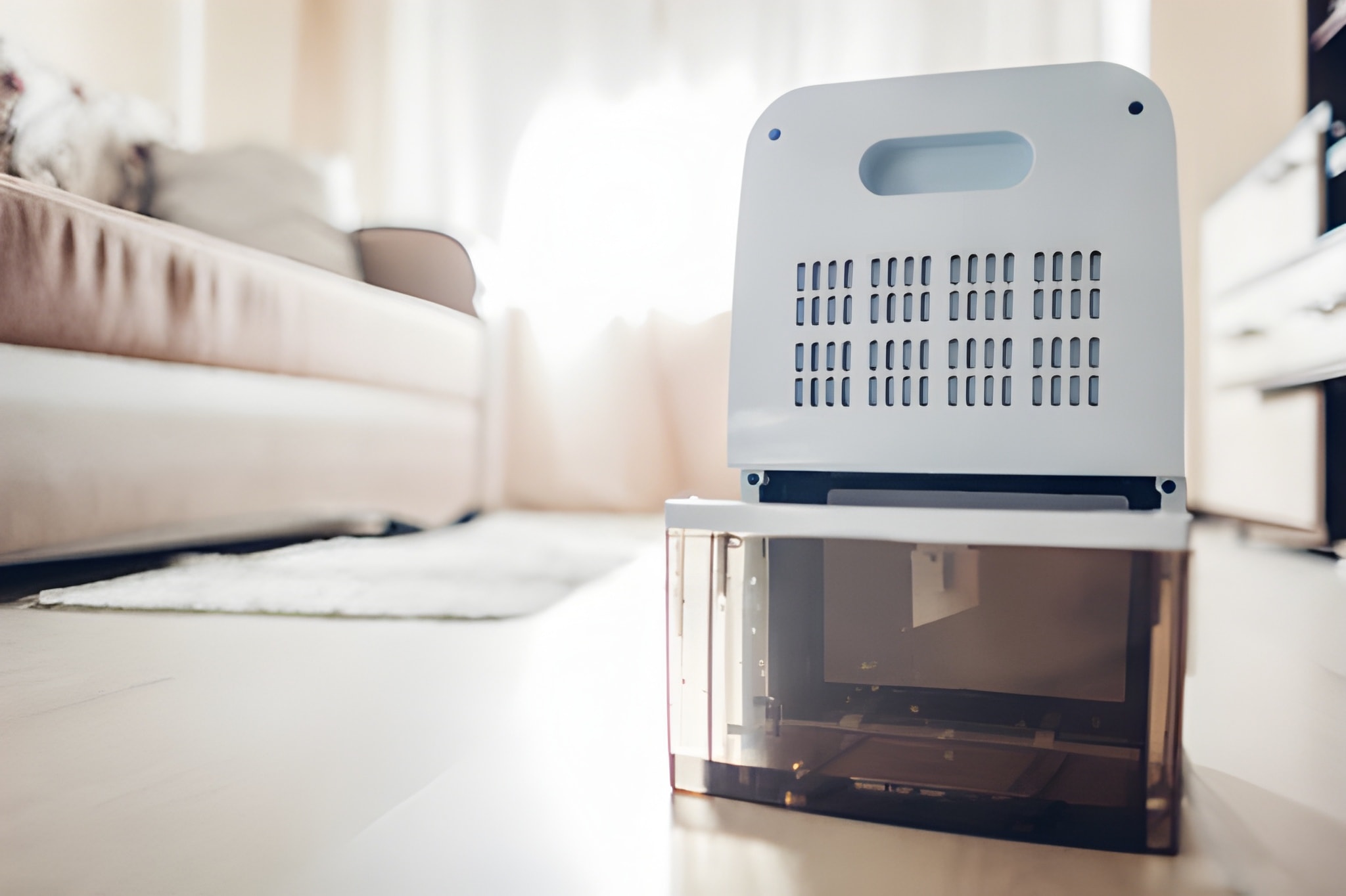
Why Tempe homes need whole-house dehumidification
Tempe’s desert climate is typically dry, but seasonal patterns and everyday living create indoor moisture challenges:
- Summer monsoons bring short periods of high outdoor humidity that can infiltrate homes.
- Irrigation, pools, hot showers, cooking, and even poorly ventilated attics add indoor moisture.
- Modern tightly sealed homes reduce air exchange, trapping moisture and increasing mold risk.
- High indoor humidity shortens the lifespan of wood floors, cabinets, and electronics.
Whole-house dehumidification in Tempe, AZ targets these intermittent and persistent sources of moisture, stabilizing RH more effectively than room-by-room portable units.
How in-line whole-house dehumidifiers work with central HVAC
In-line dehumidifiers are installed within or alongside the home’s duct system to treat all conditioned air. Key components and functions:
- Dedicated dehumidifier unit: removes moisture from return air using refrigeration or desiccant technology and often reheats air slightly for comfort.
- Integration with HVAC coil: some systems work in tandem with the air conditioner to optimize moisture removal while maintaining temperature control.
- Duct connections: dehumidified air is delivered through supply ducts; intake is typically from the return plenum for whole-home coverage.
- Controls and sensors: standalone hygrostats or integrated smart thermostats allow precise humidity setpoints and scheduling.
- Condensate handling: internal drainage to a house drain, condensate pump, or utility sink is required.
This integrated approach maintains consistent RH in every room and minimizes the practicality issues of multiple portable units.
Recommended indoor humidity ranges for Tempe, AZ
For desert climates like Tempe, the recommended indoor relative humidity is:
- Target range: 40% to 50% RH for year-round comfort, mold prevention, and preservation of wood and furnishings.
- Acceptable range: 35% to 55% RH depending on occupant comfort and seasonal conditions.
- Keeping RH below about 60% is critical to prevent mold growth; in monsoon months, whole-house dehumidification helps avoid spikes that portable units may struggle to control.
Benefits of whole-house dehumidification
- Mold and mildew prevention: reduces conditions that allow mold spores to grow in bathrooms, closets, attics, and crawl spaces.
- Improved comfort: lower humidity makes the air feel cooler at higher temperatures, which can reduce perceived need for lower thermostat settings.
- Preservation of wood and furnishings: stable humidity prevents warping, swelling, and cracking of hardwood floors, cabinetry, musical instruments, and antiques.
- Better indoor air quality: reduces dust mite populations and other allergens that thrive in higher humidity.
- Energy performance: when correctly sized and controlled, whole-house dehumidifiers can work with HVAC systems to maintain comfort without excessive cooling runtime.
System sizing and selection for whole-home coverage
Proper sizing ensures effective moisture control without oversizing, which wastes energy:
- Capacity: manufacturers rate whole-house units by pints or liters per day removed. Selection should be based on the home’s square footage, number of occupants, activities that produce moisture, and local climate influences (monsoon season).
- Airflow compatibility: unit CFM must match or complement the central HVAC airflow to avoid pressure imbalances and ensure even distribution.
- Type selection: refrigerant-based units are common for Arizona climates; desiccant systems are used in special applications where very low RH or high-temperature operation is needed.
- Professional load assessment: a humidity load calculation considers envelope tightness, ventilation rates, and moisture sources to determine correct unit capacity and placement.
Installation considerations in Tempe homes
- Drainage: plan for a gravity drain to an existing condensate line or install a condensate pump if gravity flow is not available. Salt accumulation in drains can be an issue in irrigated areas—periodic flushing helps.
- Ducting: connect to the return plenum and supply ducts in a way that preserves balanced airflow; avoid adding excessive static pressure.
- Controls: place hygrometers and controls in representative living areas away from direct sources of moisture to avoid rapid cycling.
- Electrical supply: whole-house units require a dedicated circuit and appropriate disconnects per local electrical codes.
- Coordination with HVAC: locate the unit where service access is convenient and where it integrates smoothly with the existing air handler for efficient operation.
Maintenance tasks and energy efficiency tips
Regular care keeps performance high and operating costs low:
- Replace or clean filters regularly to maintain airflow and dehumidification efficiency.
- Inspect condensate drain lines and pumps periodically to prevent clogs or overflows.
- Clean the dehumidifier coils annually to maintain capacity.
- Verify sensor accuracy and recalibrate or replace hygrometers when needed.
- Use sensible setpoints: 40% to 50% RH is effective without overworking the system.
- Seal and insulate ductwork and the building envelope to reduce moisture infiltration.
- Run dehumidification in coordination with AC: in Tempe, combined operation often yields better energy performance than running units independently.
Expected results and typical timelines for moisture reduction
- Immediate change: occupants often notice reduced clamminess and fewer odors as soon as the system begins running.
- Short-term: visible reductions in window condensation and damp spots typically within 12 to 48 hours.
- Equilibrium: whole-home RH stabilizes within 24 to 72 hours depending on home size, envelope tightness, and indoor moisture generation.
- Quantifiable reduction: properly sized systems commonly achieve a 10% to 25% absolute drop in indoor RH from starting conditions; exact results depend on load and external humidity events like monsoons.
When whole-house is preferable to portable units
Choose whole-house dehumidification in Tempe, AZ when:
- Humidity problems affect multiple rooms or the entire home consistently.
- Mold, mildew, or allergy concerns are persistent despite spot treatments.
- You want centralized control and even humidity distribution.
- You desire better protection for wood floors, cabinets, and musical instruments.
- Portable units create noise, require frequent emptying, or are impractical for long-term use.
Whole-house systems provide a more reliable, low-maintenance path to year-round humidity control than relying on multiple portable dehumidifiers.
Whole-house dehumidification in Tempe, AZ addresses both the seasonal humidity swings and the everyday indoor moisture sources that can compromise comfort and property. With correct sizing, thoughtful installation, and routine maintenance, these systems stabilize indoor RH, protect health and home assets, and work efficiently alongside central HVAC to deliver consistent, comfortable indoor environments.
Customer Testimonials
Our customers consistently praise our exceptional service and quality products. Their feedback highlights our commitment to excellence and customer satisfaction.
