


Mini Split Repair in Avondale, AZ
Mini Split repair in Avondale, AZ with fast diagnostics and expert service. Schedule prompt, reliable repairs to restore comfort.
Mini Split Repair in Avondale, AZ
Mini Split systems are the perfect cooling solution for many Avondale homes, offering efficient, zoned comfort without the hassle of ductwork. But when your Mini Split throws in the towel during Avondale’s relentless, scorching summers or unpredictable monsoon season, you need relief fast. Swift, spot-on diagnostics and repairs aren't just about restoring comfortthey’re essential for preventing the kind of component damage that leads to massive repair bills later on.
We know exactly what you’re facing. That’s why Arizona TradeMasters is here to walk you through the most common Mini Split headaches we see right here in Avondale.
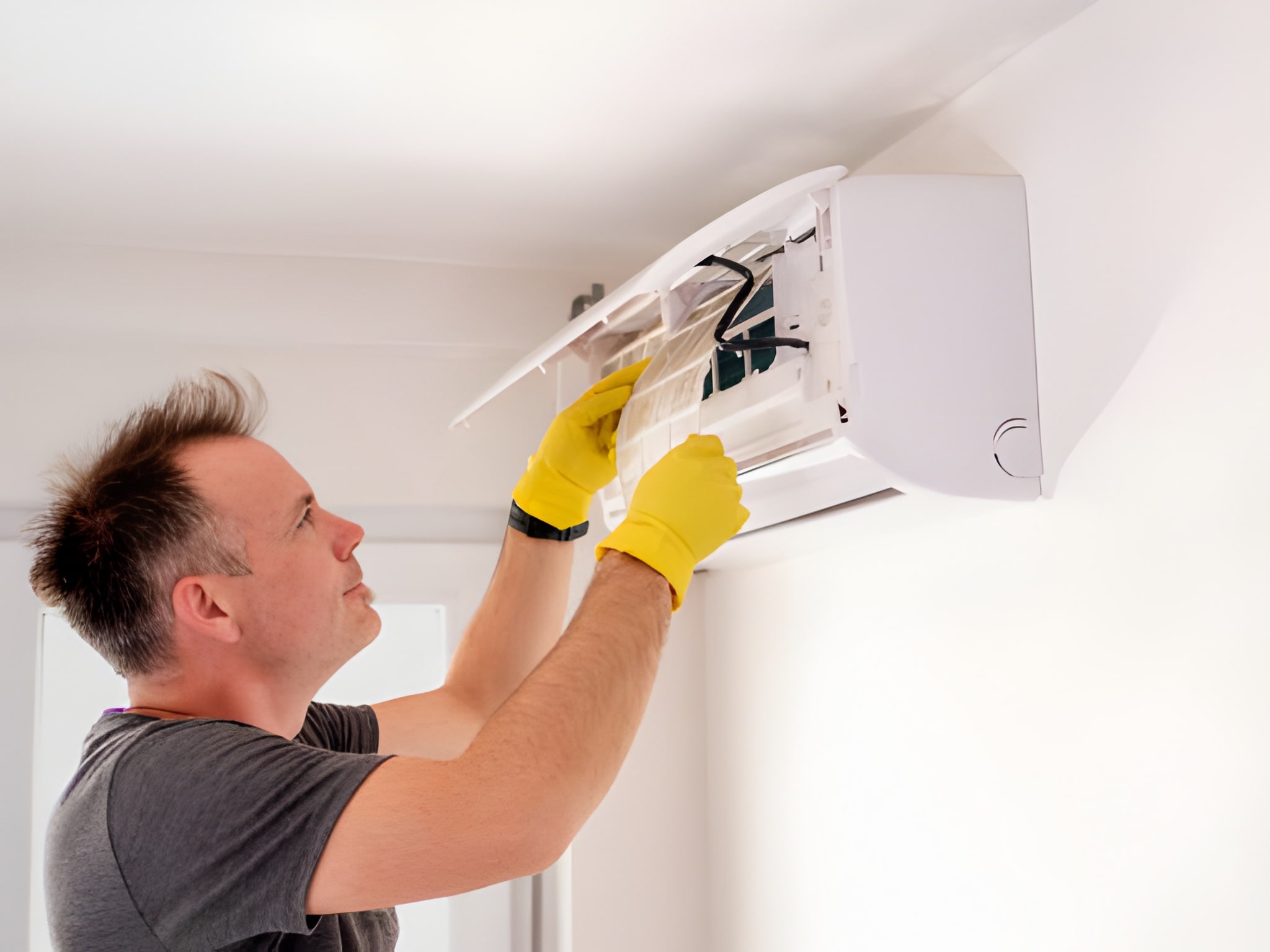
Common Mini Split problems in Avondale, AZ
High temperatures, dust, and seasonal storms in Avondale create a predictable pattern of failures. Typical issues include:
- Refrigerant leaks — Symptoms: loss of cooling, frosting on the indoor coil, abnormal pressures. Desert heat increases load on systems, accelerating leak-related performance loss.
- Compressor or inverter faults — Symptoms: outdoor unit won’t start, error codes, intermittent operation. High operating hours and heat stress increase wear on inverter components and compressors.
- Fan and blower problems — Symptoms: weak airflow, noisy operation, vibration. Dust and wind-blown sand clog coils and bearings faster in this region.
- Sensor and thermostat failures — Symptoms: inaccurate temperatures, short cycling, unit not responding to settings.
- Drain and condensate issues — Symptoms: water leaks, water alarms, indoor unit shutoff. Monsoon humidity and debris can clog drain lines.
- Electrical and PCB failures — Symptoms: error codes, unresponsive controls, intermittent power. Lightning and power surges during summer storms risk electronic component damage.
Diagnostic process: how we identify the root cause
A precise, step-by-step diagnostic process avoids unnecessary parts replacement and gets systems back to reliable operation:
- Initial visual and interview assessment
- Electrical and control checks
- Refrigerant and pressure testing
- Airflow and mechanical inspection
- Functional testing
- Final diagnostics report
Typical repair procedures and parts replacement
Repairs are done to restore reliability and efficiency while adhering to manufacturer specifications:
- Refrigerant leak repair
- Locate and repair leak source (brazing/soldering or component replacement).
- Perform vacuuming, leak testing, and recharge to manufacturer charge specifications.
- Replace or repair damaged line sets and fittings when necessary.
- Compressor and inverter repairs
- Troubleshoot inverter board, capacitors, contactors, and wiring first.
- Replace inverter PCB or compressor only when diagnostics confirm internal failure.
- Recover refrigerant according to regulations during compressor replacement.
- Fan, blower, and motor work
- Clean coils, replace worn blower motors or fan blades, replace capacitors and bearings.
- Balance or realign components to eliminate vibration and noise.
- Sensor and control replacements
- Replace faulty thermistors, remote controllers, or indoor/outdoor PCBs.
- Reconfigure or reprogram controllers and verify calibration.
- Drain and condensate repairs
- Clear or replace clogged drain lines, replace condensate pumps, and verify slope and drainage.
Typical parts commonly serviced or replaced: compressor, inverter PCB, fan motor, indoor blower motor, run/start capacitors, expansion valves, reversing valves, thermistors/sensors, line sets and fittings, condensate pump, and control boards.
Emergency repair options and estimated response times
In Avondale’s extreme heat, emergency repair options are often necessary to protect occupants and equipment:
- Priority dispatch or emergency repair service is commonly available during peak season; technicians typically carry common replacement parts and diagnostic tools to perform same-day repairs for many faults.
- Estimated response times in high-demand months:
- Emergency critical failures: response within 2 to 6 hours when available.
- Same-day non-critical repairs: typically within 6 to 24 hours.
- Standard diagnostics and scheduled repairs: usually within 24 to 72 hours depending on parts availability.
Field technicians often provide temporary measures—such as isolating a failed circuit, resetting inverter drives to a safe mode, or enabling backup zones—while awaiting major parts to reduce risk to the system during extreme outdoor temperatures.
Warranty and labor information (what to expect)
- Manufacturer warranties typically cover compressors and select components for a defined period; they vary by brand and model and often require professional service records to remain valid.
- Labor warranties from repair providers commonly range from 30 to 180 days for workmanship; parts installed often carry their own manufacturer warranty.
- Proper documentation of diagnostic findings and replaced parts is important for warranty claims. Repaired systems should be tested under normal operating load and monitored for stability before concluding work.
Tips to prevent future breakdowns — Avondale-specific maintenance
Regular maintenance reduces emergency repairs and extends equipment life in Avondale’s climate:
- Pre-summer Tune-Up: Schedule a full inspection, cleaning, and refrigerant check before May when cooling demand ramps up.
- Change or clean filters monthly during high-use months: Dust and sand in Avondale clog filters rapidly and reduce airflow and efficiency.
- Protect electronics from surges: Install whole-home or unit-level surge protection to protect inverter PCs and control boards from monsoon-related power events.
- Keep outdoor units clear: Maintain at least 2–3 feet of clearance around the outdoor unit, remove debris after dust storms, and ensure proper airflow.
- Inspect drain lines after monsoon season: Clear any blockages and ensure condensate paths are free to prevent water damage and microbial growth.
- Shade and airflow management: Provide shading for outdoor units without restricting airflow to reduce compressor duty cycle during peak heat.
- Monitor for early symptoms: Strange noises, reduced cooling, water leaks, or frequent cycling are early signs that professional diagnostics are needed.
Customer Testimonials
Our customers consistently praise our exceptional service and quality products. Their feedback highlights our commitment to excellence and customer satisfaction.
