


Mini Split Repair in Chandler, AZ
Mini Split Repair in Chandler, AZ: fast diagnostics, professional repairs, and reliable cooling. Contact us for same-day service and post-repair testing.
When you need Mini Split repair in Chandler, AZ, Arizona TradeMasters provides a thorough diagnostic and repair workflow, ensuring reliable comfort through our hot, dry summers. We'll outline common faults like refrigerant leaks, compressor and electrical issues, and airflow problems, along with step-by-step troubleshooting, from initial intake review to leak detection and control verification. Our service covers parts availability, warranty practices, emergency after-hours options, and crucial post-repair testing to verify refrigerant charge, electrical safety, and overall performance. Plus, we'll share preventive maintenance tips to extend your system's life.
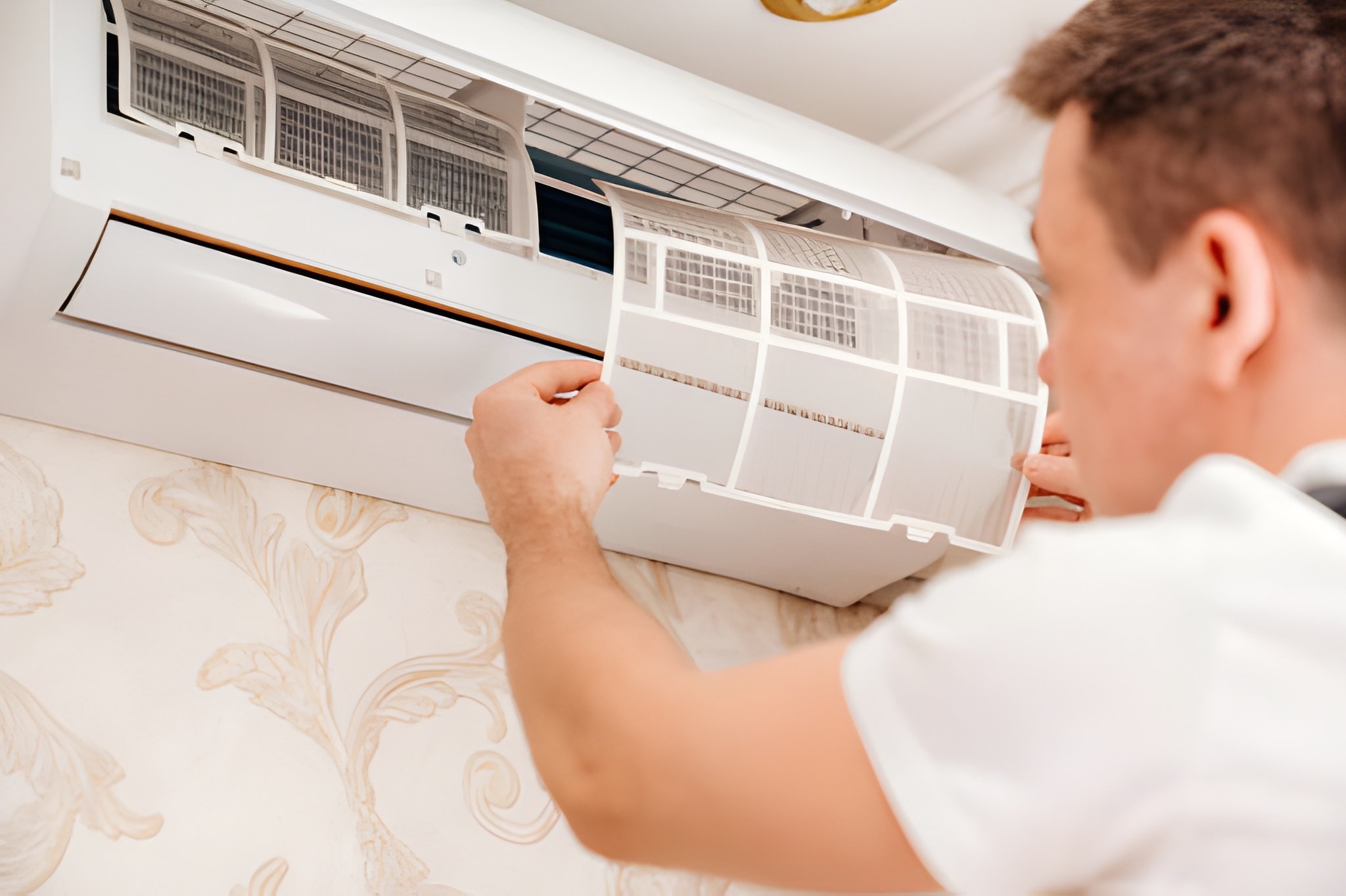
Mini Split Repair in Chandler, AZ
Mini Split systems are a popular choice in Chandler, AZ for targeted cooling and heating because they are efficient, quiet, and flexible for homes and small businesses. When a Mini Split fails, the result is immediate comfort loss and, in summer months, potential heat stress.
Why Chandler climate makes timely Mini Split repair important
Chandler’s hot, dry summers and seasonal monsoon storms place extra stress on Mini Splits. High ambient temperatures increase compressor load, accelerating wear on refrigerant systems and electrical components. Monsoon dust and pollen can clog filters and coils, reducing airflow and causing overheating. Addressing faults quickly prevents secondary damage, improves energy efficiency, and extends system life in this desert environment.
Common Mini Split problems in Chandler, AZ
- Refrigerant leaks: Low refrigerant causes poor cooling, longer run times, icing on evaporator coils, or audible hissing. In hotter climates, leaks often present sooner due to higher system pressures.
- Compressor or inverter failures: Symptoms include complete loss of cooling, frequent short cycling, error codes on the indoor unit, or outdoor unit not running. Inverter-driven compressors can fail due to electrical surges or prolonged overheating.
- Electrical and control issues: Tripped breakers, faulty remote sensors, communication errors between indoor and outdoor units, or burned contactors can prevent operation or create intermittent faults.
- Weak or uneven airflow: Causes include clogged filters, dirty evaporator coils, failing blowers, or blocked refrigerant lines. Chandler dust and pet hair commonly contribute to airflow restriction.
- Drain and condensate problems: Clogged drain lines can cause water leaks in the indoor unit and damage to ceilings or walls.
How technicians troubleshoot Mini Split systems (step-by-step)
- Intake and symptom review
- Visual and basic electrical inspection
- Filter and airflow check
- System pressure and leak detection
- Electrical testing and control verification
- Component function test
- Diagnostics review and recommendation
Typical parts and replacements
- Compressor or inverter module
- Expansion valve or TXV
- Refrigerant line repair kits and fittings
- Refrigerant (recharge after leak repair)
- Fan motors (indoor blower or outdoor condenser fan)
- PCBs, capacitors, relays, and contactors
- Thermistors and indoor sensors
- Drain lines, condensate pumps, and float switches
- Air filters and coil cleaning supplies
Technicians often carry common parts for faster in-field repair; however, specialized components like inverter boards or specific compressor models may require ordering.
Repair vs replace: practical advice
- Repair is generally recommended for systems that are less than 8-10 years old, have a single fault (for example, a replaceable motor or a sealed-system leak that can be economically repaired), and where the indoor and outdoor units match current efficiency expectations.
- Replacement is worth considering for units older than 12 years, systems with repeated sealed-system failures, or when the compressor or inverter requires replacement and the cost approaches the value of a new, more efficient unit.
Emergency and after-hours repair options
Power surges, total cooling loss during extreme heat, and active refrigerant leaks are commonly treated as emergencies. Many service providers in Chandler offer after-hours response for heat-critical failures. For emergency situations expect technicians to prioritize safety: isolating electrical hazards, stabilizing leaking systems, and providing temporary cooling recommendations if full repair is deferred.
Estimated response times and scheduling expectations
- Same-day triage: Many providers aim to triage emergency calls within a few hours, depending on call volume and technician availability.
- Standard service calls: Non-emergency diagnostics and repairs are often scheduled within 24 to 48 hours.
- Parts-related delays: If specialized parts are required, repairs may be scheduled for the next available delivery window. Planning service before peak summer demand reduces wait times.
Warranty, parts guarantees, and documentation
Industry-standard practices include a written labor warranty for a limited period after repair and honoring manufacturer parts warranties where applicable. After any repair, request documentation that lists:
- Work performed and replaced parts
- Test results (pressures, voltages, airflow)
- Warranty terms for labor and parts
- This documentation is essential for future service history and any warranty claims.
Post-repair testing and verification
A complete repair includes rigorous verification to ensure safe, reliable operation:
- Leak test under pressure and vacuum recovery where applicable
- Proper refrigerant charge and superheat/subcooling verification
- Electrical load and current draw testing
- Operational cycle testing across modes (cooling, heating, fan) to confirm stable inverter behavior
- Airflow measurements and room temperature verification to confirm restored comfort
- Final safety checks for condensate drainage and electrical connections
Preventive tips for Chandler homeowners
- Replace or clean filters monthly during heavy-use seasons to reduce dust build-up.
- Keep outdoor units clear of debris, landscaping, and dust accumulation especially during monsoon season.
- Schedule annual or biannual maintenance checks before peak summer and winter to catch issues early.
- Install surge protection on breakers or dedicated surge devices to protect inverter electronics from electrical storms.
Timely Mini Split repair in Chandler protects indoor comfort, reduces energy costs, and prevents more costly failures. A clear diagnostic process, documented repairs, and proper post-repair testing restore reliable operation for the high cooling demands of Arizona seasons.
Customer Testimonials
Our customers consistently praise our exceptional service and quality products. Their feedback highlights our commitment to excellence and customer satisfaction.
