


Mini Split Repair in Glendale, AZ
Mini Split repair in Glendale, AZ restores efficient cooling for homes and small spaces. Schedule today with certified techs for reliable, lasting comfort.
Mini Split repair in Glendale, AZ from Arizona TradeMasters is all about restoring efficient cooling for homes and small commercial spaces. We address common issues like refrigerant leaks, short-cycling, ice buildup, and faulty controls. Our professional diagnostic follows a stepwise process from visual inspection and airflow testing to electrical measurement and refrigerant evaluation to identify root causes and avoid unnecessary part replacement. We cover warranties, emergency response expectations, and preventive maintenance tips, always emphasizing desert-climate considerations, timely diagnostics, and tailored repairs that extend equipment life and your comfort.
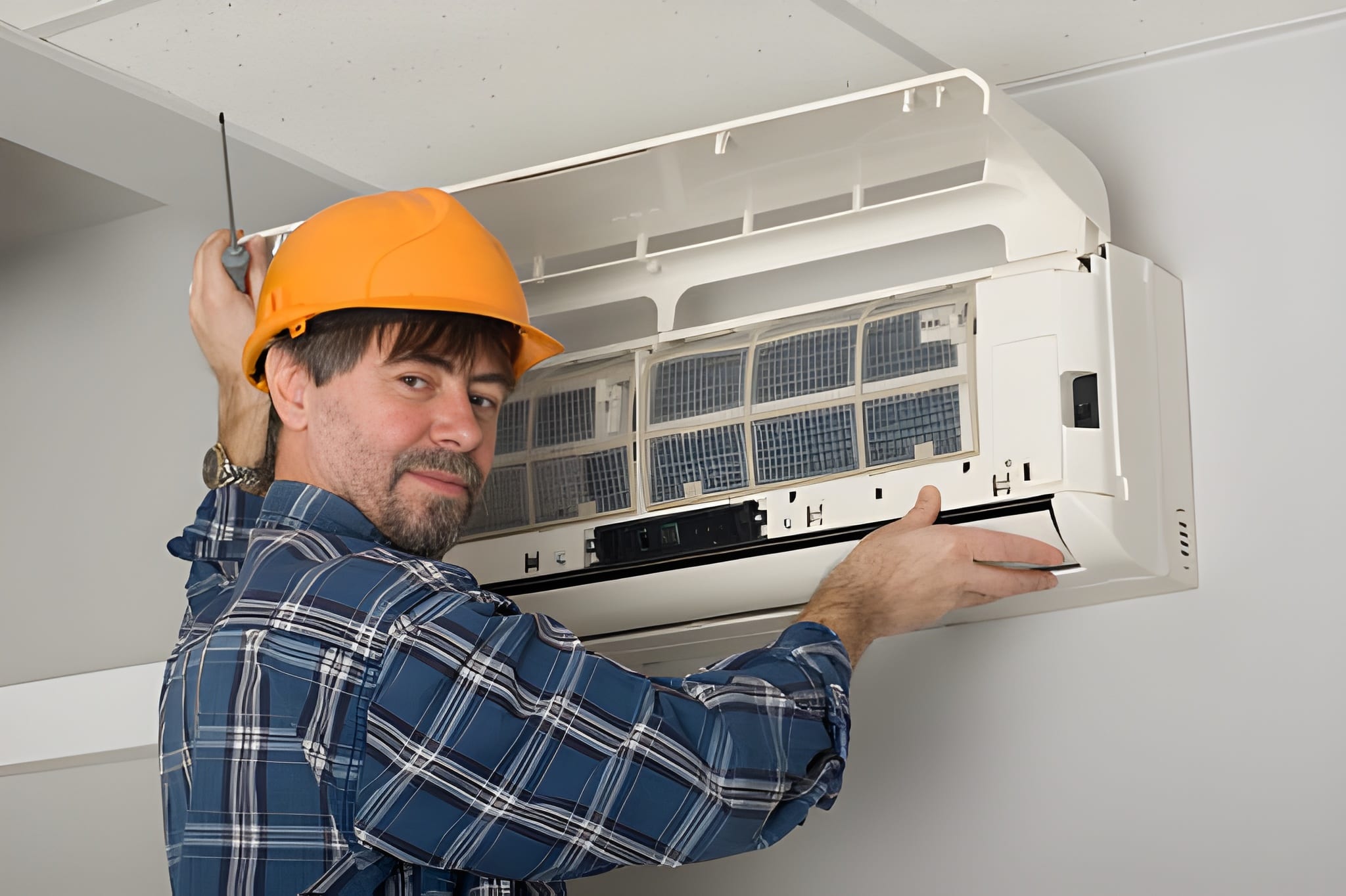
Mini Split Repair in Glendale, AZ
Mini Split repair in Glendale, AZ focuses on restoring efficient, reliable cooling for homes and small commercial spaces that rely on ductless systems. In the Valley of the Sun, prolonged high temperatures, dust, and seasonal monsoon humidity put extra strain on Mini Splits. Timely diagnostics and professional repairs reduce energy bills, prevent secondary damage to components, and keep indoor spaces safe and comfortable during peak heat.
Common Mini Split issues in Glendale, AZ
- Weak or no cooling during hot afternoons: Often caused by low refrigerant, compressor wear, or airflow restrictions from clogged filters.
- Unit cycling on and off frequently: Can indicate refrigerant issues, oversized short-cycling due to control faults, or thermostat and sensor problems.
- Hissing or bubbling sounds near indoor or outdoor units: Typical symptom of a refrigerant leak.
- Ice buildup on the indoor evaporator coil: Results from low refrigerant, poor airflow, or a failing fan motor.
- Warm air from the indoor unit despite running: Possible compressor failure, refrigerant loss, or reversed refrigerant flow in heat mode.
- Electrical or control failures: Blown fuses, tripped breakers, faulty PCB (control board), or communication errors between indoor and outdoor units.
- Unusual odors or visible debris: Dust, pollen, and mold growth, especially after monsoon season, impair performance and indoor air quality.
- Vibration, loud noises, or outdoor unit not starting: Mounting failures, motor issues, or capacitor and relay defects.
Diagnostic process: what to expect
A professional Mini Split diagnostic follows a logical sequence to identify root causes and avoid unnecessary part replacement:
- Visual and operational inspection
- Airflow and temperature checks
- Electrical testing
- Refrigerant and compressor evaluation
- Leak detection and safety checks
Technicians in Arizona often schedule diagnostics with consideration for high outdoor temperatures; inspections performed during cooler parts of the day yield more reliable baseline readings.
Common repairs and solutions
- Refrigerant leak repair and recharge: After locating and repairing leaks (soldering/bracing line sets, replacing o-rings or fittings), systems are evacuated and charged to manufacturer specifications. Refrigerant handling must be performed by certified technicians.
- Compressor repair or replacement: Compressors are rugged but wear over years of heavy summer use. Repairs can include replacing start capacitors, relays, or full compressor replacement when signs of mechanical failure are present.
- Electrical and control fixes: Replacing faulty control boards, relays, capacitors, or addressing wiring corrosion due to dust and thermal cycling.
- Fan and motor service: Indoor or outdoor fan motors and blades may require cleaning, balancing, or replacement to restore airflow and reduce noise.
- Condensate and drain system service: Clearing clogs, repairing or replacing drains and pans to prevent water damage and mold.
- Line set and insulation repair: UV exposure and heat can degrade insulation around refrigerant lines; replacing or re-insulating improves efficiency and prevents condensation issues.
- Thermostat and sensor replacement: Replacing faulty temperature sensors, remotes, or interface modules to correct control problems.
Warranty information and repair considerations
- Manufacturer warranties typically cover major components like compressors and heat exchangers for a set term; electronics and labor are often limited or separate. Warranty coverage varies by system age, registration status, and repair history.
- Repairs may void remaining warranties if unapproved parts or unauthorized service is used. Always document serial numbers and service records.
- For aged systems, weigh repair costs against expected remaining service life and seasonal performance needs. In Glendale, where summer usage is heavy, an older Mini Split with recurrent compressor or refrigerant issues may be a candidate for replacement rather than repeated repairs.
Note: This page does not provide pricing details. Licensed HVAC professionals provide written repair estimates and explain warranty impacts before any work is performed.
Emergency response and timing expectations
Extreme heat creates health risks, so emergency Mini Split repair is a common request in Glendale. Expect these professional service norms:
- Prioritization during heat waves: Technicians typically triage calls from vulnerable customers and high-risk situations.
- After-hours and weekend options: Many service providers offer extended coverage during peak cooling season.
- Clear diagnosis before major components are replaced: Responsible technicians avoid replacing expensive parts without confirming the root cause.
Always follow safety guidance during outages: stay hydrated, use shade or fans as interim measures, and seek cooler environments if indoor temperatures become dangerous.
Preventive maintenance tips for Glendale homes
- Clean or replace filters every 1 to 3 months during heavy-use summer months to combat dust and pollen.
- Schedule pre-summer inspections: Check refrigerant charge, electrical connections, and outdoor coil cleanliness before peak heat.
- Keep outdoor units clear of debris and direct vegetation; minimize dust accumulation by washing coils after dust storms.
- Protect line set insulation from sun exposure with rated UV-resistant sleeves.
- Monitor for early warning signs: unusual noises, reduced airflow, or rising energy bills. Early action reduces repair complexity.
- Consider a seasonal maintenance agreement with certified technicians to ensure timely inspections and prioritized service during monsoon and peak heat periods.
Mini Split repair in Glendale, AZ is about more than fixing a broken part. Proper diagnostics, mindful repairs tailored to desert climate stressors, and preventive care keep systems efficient, prolong equipment life, and maintain comfort during Arizona's longest cooling season.
Customer Testimonials
Our customers consistently praise our exceptional service and quality products. Their feedback highlights our commitment to excellence and customer satisfaction.
