


Heating Maintenance in Mesa, AZ
Mesa heating maintenance service to keep furnaces and heat pumps efficient. Schedule a Tune-Up and protect your home from dust.
In Mesa, AZ, we take a proactive approach to heating maintenance, ensuring your furnaces and heat pumps remain safe, efficient, and reliable even in tough desert conditions. Arizona TradeMasters offers a complete seasonal checklist, addressing local challenges like dust, monsoon moisture, and fluctuating temperatures. We have recommended schedules and service agreements designed to fit homes of every size. Regular Tune-Ups from our team will significantly improve your safety and efficiency, reduce unexpected breakdowns, and extend your equipment's life, with options for priority service and discounts tailored to Mesa's unique climate needs.
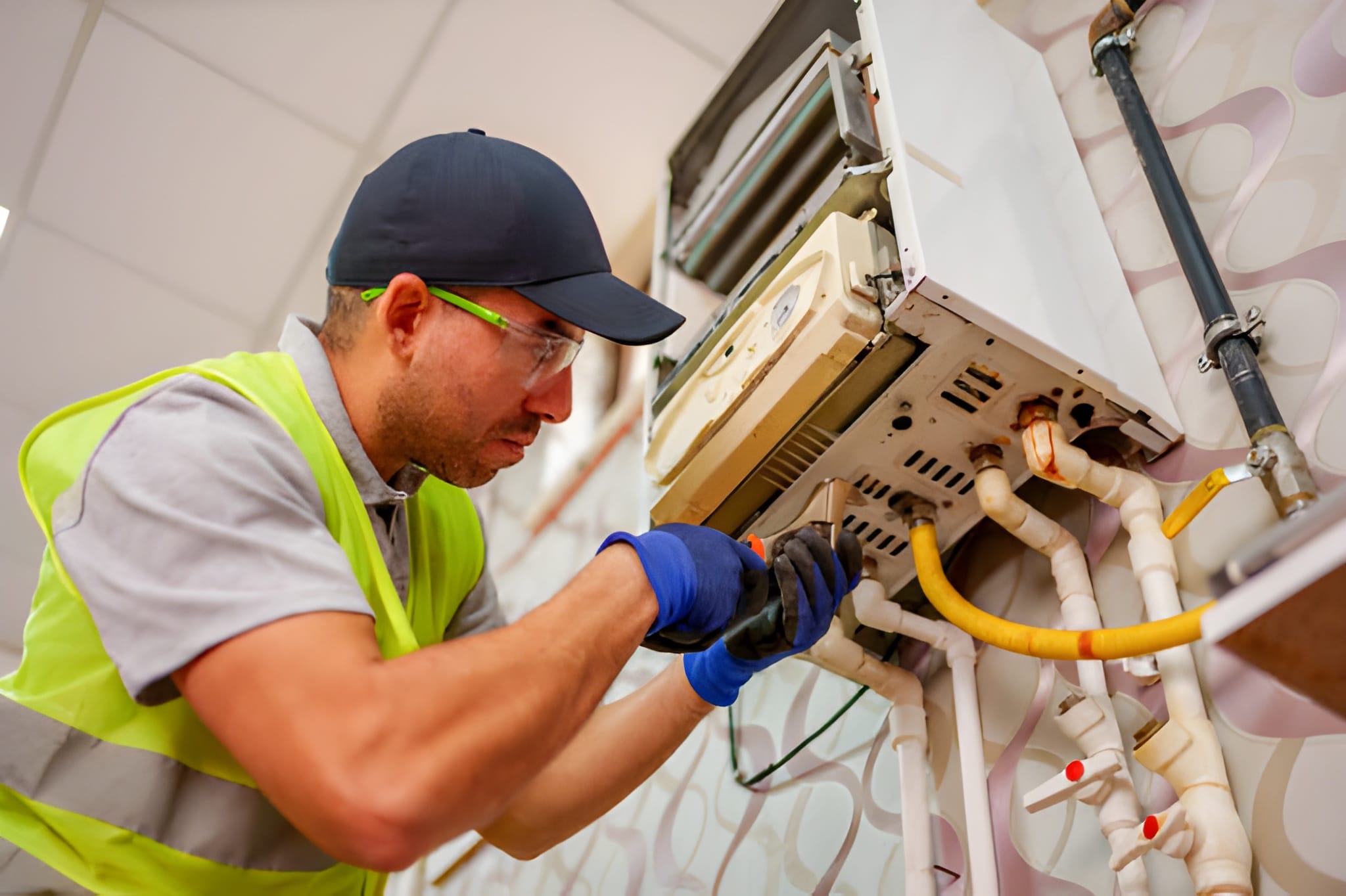
Heating Maintenance in Mesa, AZ
Keeping your furnace or heat pump running safely and efficiently is essential for comfort and budget control in Mesa, AZ. Regular heating maintenance reduces the risk of midwinter breakdowns, improves indoor air quality in dusty desert conditions, and prolongs system life.
Why heating maintenance matters in Mesa, AZ
Mesa has a desert climate with high dust levels, monsoon storms, and large temperature swings between day and night. Those local conditions create three specific pressures on heating systems:
- Heavy dust and pollen load leads to clogged filters and restricted airflow.
- Monsoon moisture and debris can affect venting and outdoor components.
- Intermittent heating use means equipment can sit idle for long stretches, which can hide developing mechanical or safety problems until they become failures.
Routine Tune-Ups keep your system operating efficiently, reduce energy use during heating cycles, improve safety by catching combustion problems early, and maintain reliable comfort during cold snaps.
Full heating maintenance checklist
A comprehensive seasonal service visit typically includes all of the following items. Each step is performed by a trained technician and explained in clear, non-technical terms.
- Filter inspection and replacement
- Check filter type and condition. Replace or advise on higher-efficiency options if needed.
- Recommend filter change frequency based on filter MERV rating, household pets, and Mesa dust levels.
- Burner and heat-exchanger inspection
- Clean burners and inspect the heat exchanger for cracks or corrosion that can cause dangerous combustion byproducts.
- Test burner ignition and flame pattern for efficient operation.
- Safety and carbon monoxide checks
- Verify operation of safety controls, limit switches, and the flue venting system.
- Perform a carbon monoxide test to confirm combustion is safe and contained.
- Lubrication and moving parts
- Lubricate blower motor bearings and other moving parts to reduce wear and noise.
- Inspect belts and replace if worn.
- Thermostat calibration and control checks
- Confirm thermostat accuracy and program settings for optimized energy use.
- Test communication between thermostat and system for responsive control.
- Electrical and connection inspection
- Check wiring, terminals, and electrical components for loose connections or wear.
- Measure voltage and amperage where applicable to ensure motors are not overloaded.
- Airflow and duct basics
- Measure airflow and inspect accessible ductwork for obstructions, leaks, or animal nesting common after monsoon season.
- Recommend duct sealing or cleaning when needed.
- Pilot assembly, ignition, and safety sensors
- Clean pilot sensors and test direct ignition systems for reliable starts.
- Verify the operation of flame sensors and other safety interlocks.
- Heat pump specific items (if applicable)
- Inspect outdoor unit, clean coils, check refrigerant charge, and test defrost controls.
- Clear drain lines and verify condensate management.
Common heating maintenance issues in Mesa, AZ
- Rapidly clogged filters from dust storms and high outdoor particulates.
- Corroded or rusty venting after monsoon rains or when outdoor installations lack shielding.
- Intermittent ignition or flame failure due to insects or debris in burners.
- Reduced efficiency from dirty blower wheels or restricted ductwork.
- Heat pump performance drop after long cooling seasons if not inspected before heating use.
Understanding these local trends helps prioritize inspections and preventive actions that reduce emergency repairs.
Diagnostic approach and what to expect during a visit
Technicians begin with a system history and visual inspection, followed by a step-by-step diagnostic sequence:
- Confirm system type and recent operating history.
- Replace or inspect the filter and check airflow.
- Run the system through a complete cycle while monitoring combustion, temperatures, and electrical loads.
- Test safety systems and carbon monoxide levels.
- Inspect external components and flue/venting.
- Provide a written summary of findings with recommended actions and estimated urgency.
This approach finds small problems before they escalate and provides clear explanations so you understand any recommended repairs.
Benefits of regular Tune-Ups
- Improved efficiency: Clean burners, calibrated controls, and free-flowing air reduce fuel or electricity use.
- Lower risk of breakdowns: Preventive maintenance catches worn parts before they fail.
- Extended equipment life: Proper lubrication and adjustments reduce wear on motors and bearings.
- Safer operation: Early detection of heat-exchanger cracks or venting issues prevents carbon monoxide hazards.
- Better indoor air quality: Regular filter care and duct checks reduce dust circulation in Mesa homes.
Service agreements and plan options
Available maintenance agreements are designed to match different homeowner needs. Typical plan structures include:
- Basic annual Tune-Up plan
- One seasonal visit with the full checklist, priority scheduling, and reminder service.
- Comprehensive maintenance agreement
- Two seasonal visits (pre-winter heating Tune-Up and an off-season check), filter inspection/replacement service, priority response for repair calls, and discounts on parts and labor.
- Heat pump season care
- Tailored visits timed before the heating season and after heavy cooling use to ensure reversing components and refrigerant levels are correct.
Each plan outlines included services, frequency of visits, and any additional benefits such as priority scheduling or repair discounts. Agreement specifics can be chosen to align with your system type, household sensitivity to air quality, and how much outdoor dust your home accumulates.
Recommended maintenance schedule for Mesa homes
- Annual fall Tune-Up: Schedule a comprehensive inspection and Tune-Up before the cooler months when heating cycles begin.
- Mid-season or spring check for heat pumps: If you use a heat pump for both cooling and heating, consider a check in spring or early fall to catch wear from the previous cooling season.
- Filter replacement cadence:
- Standard fiberglass: every 1 to 3 months.
- Pleated or higher-efficiency: every 3 months or per manufacturer guidance, more often with pets or heavy dust.
- After major storms or monsoon season: Inspect vents, outdoor units, and ducts for debris, water intrusion, or animal activity.
Regularly scheduled maintenance tailored to Mesa climate conditions minimizes emergency breakdowns and ensures efficient, safe heating operation.
Customer Testimonials
Our customers consistently praise our exceptional service and quality products. Their feedback highlights our commitment to excellence and customer satisfaction.
