


Heating Repair in Goodyear, AZ
Heating repair services in Goodyear, AZ offer on-site diagnostics, emergency options, and reliable fixes. Learn more about fast, safe heating repairs today.
Goodyear heating repair services from Arizona TradeMasters deliver fast, accurate diagnostics and durable fixes for your furnaces, heat pumps, and hybrid systems, all specifically tailored to our desert climate needs. We’ll explain our on-site troubleshooting process, emergency and same-day options, transparent policies for parts and estimates, and essential safety checks complete with post-repair performance testing. Homeowners can always expect a structured diagnostic approach, clear repair explanations, and maintenance tips designed to extend system life, improve efficiency, and reduce future emergencies right here in Goodyear's unique conditions. We always prioritize your safety, clearly explain warranties, and offer reliable local service options.
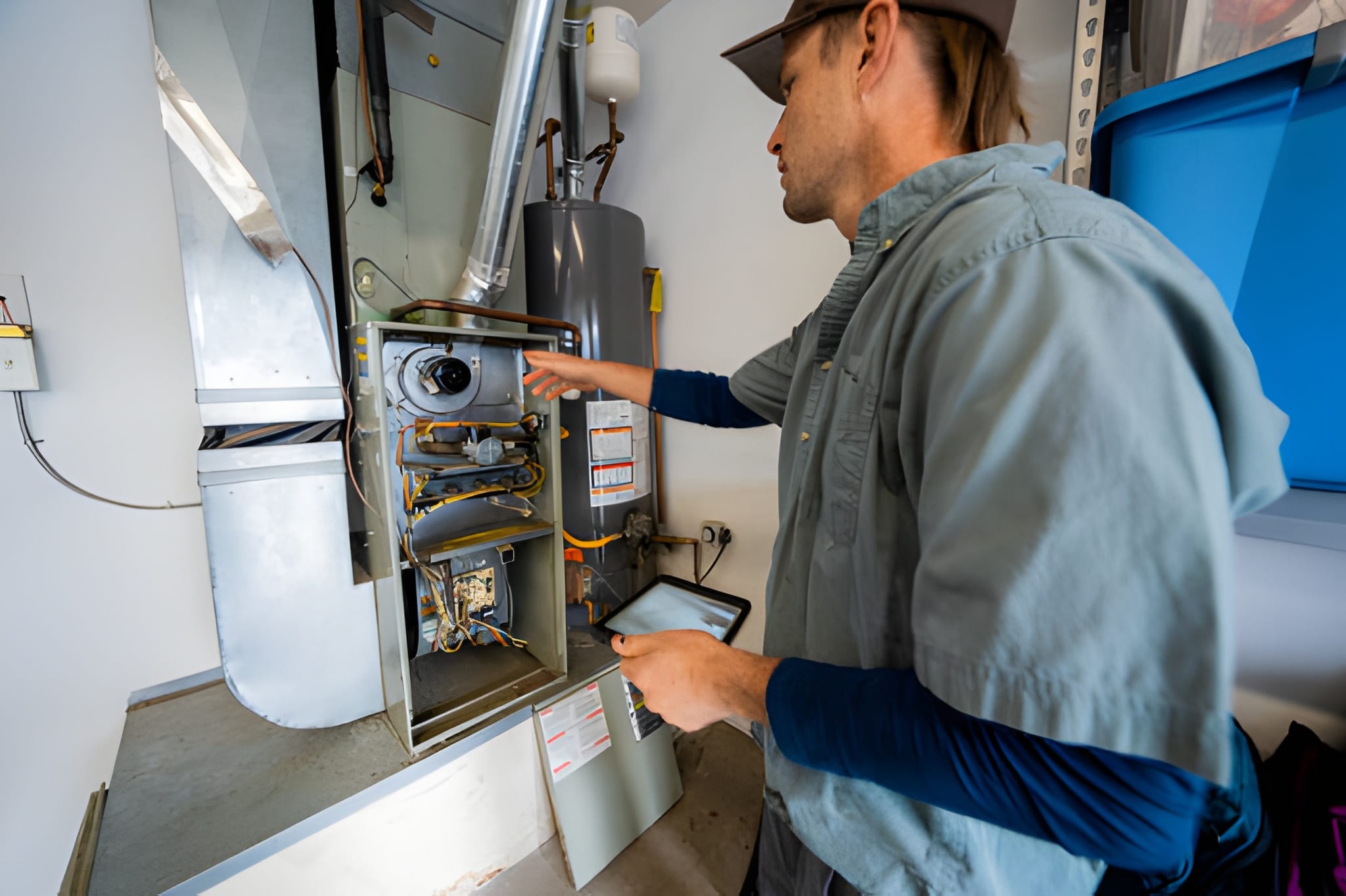
Heating Repair in Goodyear, AZ
A reliable heating system keeps your home comfortable and safe during cooler desert nights and winter spells. Heating Repair in Goodyear, AZ focuses on fast, accurate diagnostics and durable fixes for furnaces and heat pumps commonly used in the area. This page explains how professional heating repair works, common local faults, on-site troubleshooting, emergency and same-day options, parts replacement policies, estimate procedures, safety checks, and post-repair performance testing — all tailored for Goodyear homes and climate conditions.
Why timely heating repair matters in Goodyear
Goodyear has hot summers and cooler winter nights. Even though heating use is less than in colder regions, faults arise from seasonal swings, dust intrusion, and infrequent use that can cause safety or efficiency problems. Prompt repair helps:
- Protect indoor air quality from dust and combustion byproducts
- Prevent costly failures during sudden cold snaps
- Restore efficient operation to lower energy use on those heating days
- Ensure safe operation of gas furnaces or electric heat components
Common heating systems and typical issues in Goodyear
Most homes in Goodyear use one of the following systems. Below are the common faults technicians encounter locally.
- Furnaces (gas or electric)
- Failure to start or intermittent ignition
- Pilot light or ignition control problems
- Blower motor or capacitor failure
- Cracked heat exchanger or gas leak indicators
- Thermostat communication faults
- Heat pumps and Mini Splits
- Reduced heat output in colder nights
- Reversing valve or compressor faults
- Refrigerant leaks and pressure loss
- Defrost cycle failures
- Fan motor or control board issues
- Hybrid systems and packaged units
- Control sequence errors between backup heat and heat pump
- Outdoor unit damage from dust, debris, or storms
Local factors that increase wear:
- Fine desert dust and sand that clogs filters and coils
- Monsoon season humidity spikes that can affect electrical components
- Infrequent winter runtime leading to stuck dampers or seized motors
Diagnostic procedures and on-site troubleshooting
Professional heating repair begins with methodical diagnosis to find root causes rather than chase symptoms. Typical steps include:
- Safety triage
- Visual inspection
- System startup and observation
- Electrical and control testing
- Refrigerant and pressure checks (for heat pumps)
- Component testing
On-site troubleshooting may include cleaning flame sensors, reseating wiring, temporarily bypassing failed controls to triage, or making minor adjustments to airflow. Technicians document findings and explain the repair path in clear terms.
Emergency and same-day repair considerations
Emergency heating repair options focus on immediate safety and restoring essential heat when needed. Typical emergency criteria:
- Detectable gas leak or combustion smell
- Persistent carbon monoxide alarm activation
- Complete loss of heating during freezing conditions (if pipes at risk)
- Electrical hazards or sparking at the unit
Same-day service pathways generally follow a triage model: perform immediate safety measures, make temporary repairs to restore function, then schedule follow-up for comprehensive fixes if parts are required. Technicians prioritize issues that present safety or risk to property.
Parts replacement policies and estimate process
Professional repair services follow transparent policies for parts and estimates:
- Parts selection
- Preference for OEM or manufacturer-approved parts for compatibility and warranty preservation
- When appropriate, high-quality aftermarket options may be offered for cost-sensitive situations
- Parts typically come with manufacturer or supplier warranties; labor warranties are offered separately
- Preference for OEM or manufacturer-approved parts for compatibility and warranty preservation
- Estimate process
- Diagnosis-first model: technicians provide a clear written estimate after completing diagnostic work
- Estimates list required parts, labor hours, and any optional repairs
- If emergency or temporary repairs are performed, a follow-up estimate is provided for full restoration
- Replacement justification
- Technicians explain whether repair or replacement is more cost-effective based on unit age, repair history, and safety considerations
- Older systems with recurring failures may be recommended for replacement rather than repeated repairs
Safety checks and performance testing after repairs
After any repair, a thorough verification ensures safe, reliable operation. Typical tests and checks include:
- Combustion safety checks (gas furnaces)
- Inspect and test burners, flame stability, and heat exchanger integrity
- Measure flue draft and combustion byproducts where applicable
- Electrical safety checks
- Confirm proper wiring, grounding, and no overloaded circuits
- Test capacitors, contactors, and control relays
- Airflow and distribution tests
- Measure blower performance and static pressure
- Verify venting and register distribution for even heating
- Refrigerant and mechanical performance (heat pumps)
- Re-check refrigerant pressures after any repair
- Confirm proper defrost cycles and compressor behavior
- System run test
- Run the heating system through a full cycle to confirm stable operation, efficient startup, and temperature rise within expected ranges
Technicians document these checks and note any follow-up recommendations to maintain safe and efficient operation.
Preventive maintenance and seasonal tips for Goodyear homes
Reducing future heating repairs is achievable with targeted upkeep tailored to local conditions:
- Replace or clean filters regularly to combat desert dust
- Schedule annual or biannual Tune-Ups before cooler months
- Keep outdoor units clear of debris and vegetation, especially after monsoon season
- Inspect venting and flue pipes for blockages or animal interference
- Test carbon monoxide and smoke detectors as part of seasonal maintenance
Regular maintenance extends equipment life, improves efficiency on those occasional heating days, and reduces emergency repairs.
What to expect from professional heating repair in Goodyear
When a qualified technician services your heating system in Goodyear, you can expect:
- A structured diagnostic approach focused on root cause
- Clear explanations of necessary repairs versus short-term fixes
- Use of appropriate parts and documentation of warranties
- Safety-first practices and post-repair performance verification
- Options for emergency stabilization with scheduled follow-up for comprehensive work
Customer Testimonials
Our customers consistently praise our exceptional service and quality products. Their feedback highlights our commitment to excellence and customer satisfaction.
