


HVAC Tune-Up in Mesa, AZ
Mesa HVAC Tune-Up: boost efficiency, prevent surprises, and extend life. Schedule a service today for lasting home comfort.
Our HVAC Tune-Up service in Mesa, AZ provides crucial preventive maintenance to improve efficiency, reliability, and comfort during our extreme heat and dusty monsoon seasons. We make sure every Tune-Up from Arizona TradeMasters includes checks on filters, thermostat calibration, refrigerant levels, airflow, duct inspection, coil cleaning, lubrication, electrical safety, and thorough performance testing. We'll explain the expected duration, discuss multi-zone capabilities, and offer prioritized recommendations tailored to your home. Plus, we'll share homeowner tips emphasizing optimal timing (pre-summer, pre-winter, post-monsoon) and simple steps you can take between Tune-Ups to sustain your system's health. The results are clear: longer equipment life, lower energy bills, and fewer costly outages.
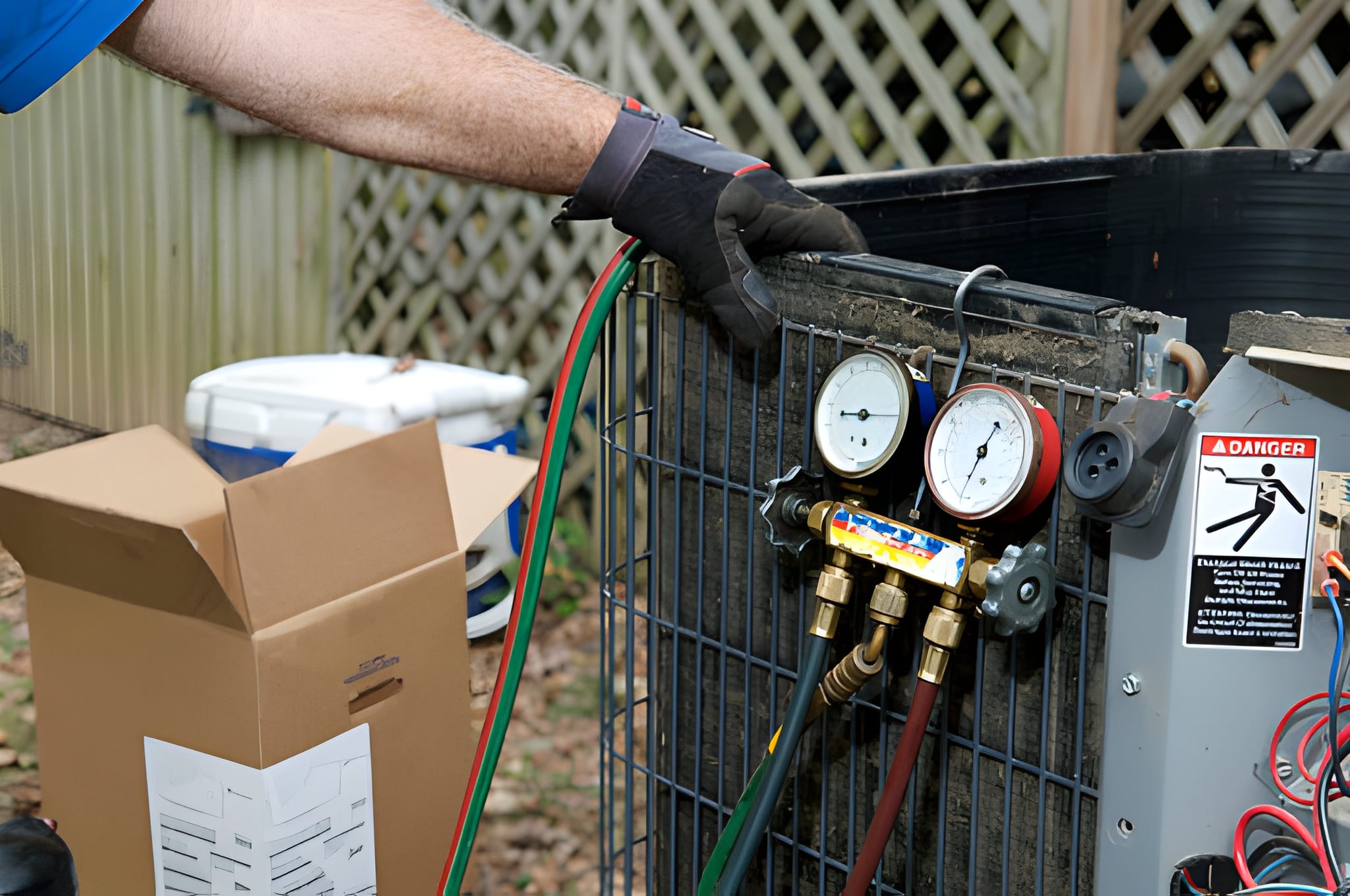
HVAC Tune-Up in Mesa, AZ
Keeping your HVAC system performing reliably through Mesa’s extreme heat and dusty monsoon season starts with a professional HVAC Tune-Up in Mesa, AZ. Regular, thorough Tune-Ups reduce breakdown risk during peak cooling months, improve energy efficiency, and extend equipment life.
Why a Tune-Up matters in Mesa, AZ
Mesa’s hot summers and seasonal dust storms put more stress on cooling systems than most climates. Systems that run hard for long stretches are more likely to develop refrigerant issues, clogged coils, motor strain, and electrical wear. A professional Tune-Up identifies small problems before they cause an emergency outage, restores system efficiency, and helps ensure consistent indoor comfort when temperatures soar above 100°F.
Common HVAC Tune-Up issues in Mesa, AZ
- Clogged or dirty filters: Fine desert dust and allergens quickly reduce airflow and force the system to work harder.
- Dirty condenser and evaporator coils: Reduced heat transfer lowers cooling capacity and increases runtime.
- Low refrigerant or leaks: High ambient temperatures amplify the performance impact of insufficient refrigerant.
- Worn belts, motors, and bearings: Continuous summer cycles accelerate mechanical wear.
- Faulty capacitors, relays, and electrical connections: Heat stress and repeated cycling lead to electrical failures.
- Poor airflow and duct leakage: Leaky ducts in unconditioned attics or crawl spaces common in older Mesa homes lower efficiency and comfort.
- Thermostat inaccuracies and calibration drift: Incorrect readings cause oversized runtimes or short cycling.
- Outdoor unit obstructions and sun exposure: Landscaping, debris, and full-sun placement can reduce condenser efficiency.
What a professional HVAC Tune-Up in Mesa, AZ includes (checklist)
A comprehensive Tune-Up follows a consistent checklist so nothing is overlooked:
- Filter inspection and replacement (replace or note recommended schedule)
- Thermostat calibration and control verification (setback and programming checks)
- Refrigerant level check and leak detection (verify pressures and operational charge)
- Airflow and duct inspection (static pressure check, visible duct leaks, grille and return evaluation)
- Condenser and evaporator coil cleaning (remove dust, pollen, and debris)
- Lubrication of moving parts (motors and bearings where applicable)
- Belt and motor inspection (tension, wear, alignment)
- Electrical system safety check (capacitor, contactor, relay testing, and wiring integrity)
- Safety control testing (limit switches, condensate overflow switches, and emergency controls)
- System performance testing (temperature split, current draw, run-time, and overall efficiency assessment)
- Report and recommendations (documented findings and suggested next steps)
Diagnostic process and expected duration
A standard HVAC Tune-Up typically takes 60 to 90 minutes for most single-zone residential systems. More complex systems, multi-zone setups, or additional diagnostics (such as refrigerant recovery or extensive duct evaluations) can extend the visit to 2 hours or more. The technician will:
- Start with a visual and operational inspection while noting system history and current complaints.
- Measure electrical loads, refrigerant pressures, and airflow to determine component stress and efficiency.
- Clean coils and components as needed to restore heat exchange capacity.
- Verify safety devices and test system operation through a full cooling or heating cycle.
- Deliver a clear report of findings and prioritized recommendations based on system condition.
Benefits: efficiency, reliability, and safety
- Improved energy efficiency: Clean coils, correct refrigerant charge, and proper airflow reduce run times and energy consumption.
- Greater reliability during peak demand: Preventive identification of weak capacitors, failing motors, and refrigerant leaks reduces risk of mid-summer failures.
- Extended equipment life: Routine lubrication, cleaning, and mechanical adjustments lower wear and postpone major replacements.
- Enhanced indoor comfort and air quality: Proper airflow and clean filters reduce hot/cold spots and lower dust recirculation.
- Safety assurance: Electrical checks and safety control testing reduce fire risk and prevent unsafe operation.
Recommended timing for Mesa homeowners
- Pre-summer cooling Tune-Up (best time: March–May): Ideal for catching issues before high cooling demand begins. Ensures the air conditioner is prepared for sustained use during triple-digit temperatures.
- Pre-winter heating check (best time: October–November): While Mesa winters are mild, a brief heating inspection ensures backup heating or heat pump function during occasional cold snaps.
- Post-monsoon inspection (September–October): Dust, debris, and moisture from monsoon season can clog outdoor coils and increase corrosion risk—post-storm checks restore performance and prevent long-term damage.
Homeowner maintenance tips between Tune-Ups
- Replace or clean filters every 1–3 months during heavy use months; more frequent changes are common in Mesa due to dust.
- Keep at least 2–3 feet of clearance around the outdoor condenser; trim landscaping and remove debris after dust storms.
- Shade the outdoor unit where possible without restricting airflow; reflective landscaping or shade structures can reduce sun exposure.
- Maintain attic and duct insulation and seal visible duct joints to reduce conditioned air loss.
- Avoid DIY refrigerant handling; leave refrigerant and electrical repairs to qualified technicians.
Customer Testimonials
Our customers consistently praise our exceptional service and quality products. Their feedback highlights our commitment to excellence and customer satisfaction.
