


Whole House Air Filtration in Buckeye, AZ
Whole House Air Filtration in Buckeye, AZ improves indoor air, outlining installation steps, maintenance, and expected air quality benefits.
Whole House Air Filtration in Buckeye, AZ
Clean indoor air truly matters in Buckeye, AZ. Desert dust, seasonal pollen, monsoon dust storms, and occasional wildfire smoke can push particulate and allergen levels inside your home. A whole house air filtration system installed in your HVAC ductwork by Arizona TradeMasters is the most effective way to reduce particles throughout every room, protect vulnerable household members, and help your cooling equipment run with cleaner internal components. We're here to explain how in-duct media filters and high-efficiency (MERV/HEPA) solutions work, how to choose the right rating for allergies or asthma, what our installation and maintenance involve, what air quality improvements to expect, energy tradeoffs, and warranty considerations specific to Buckeye homes.
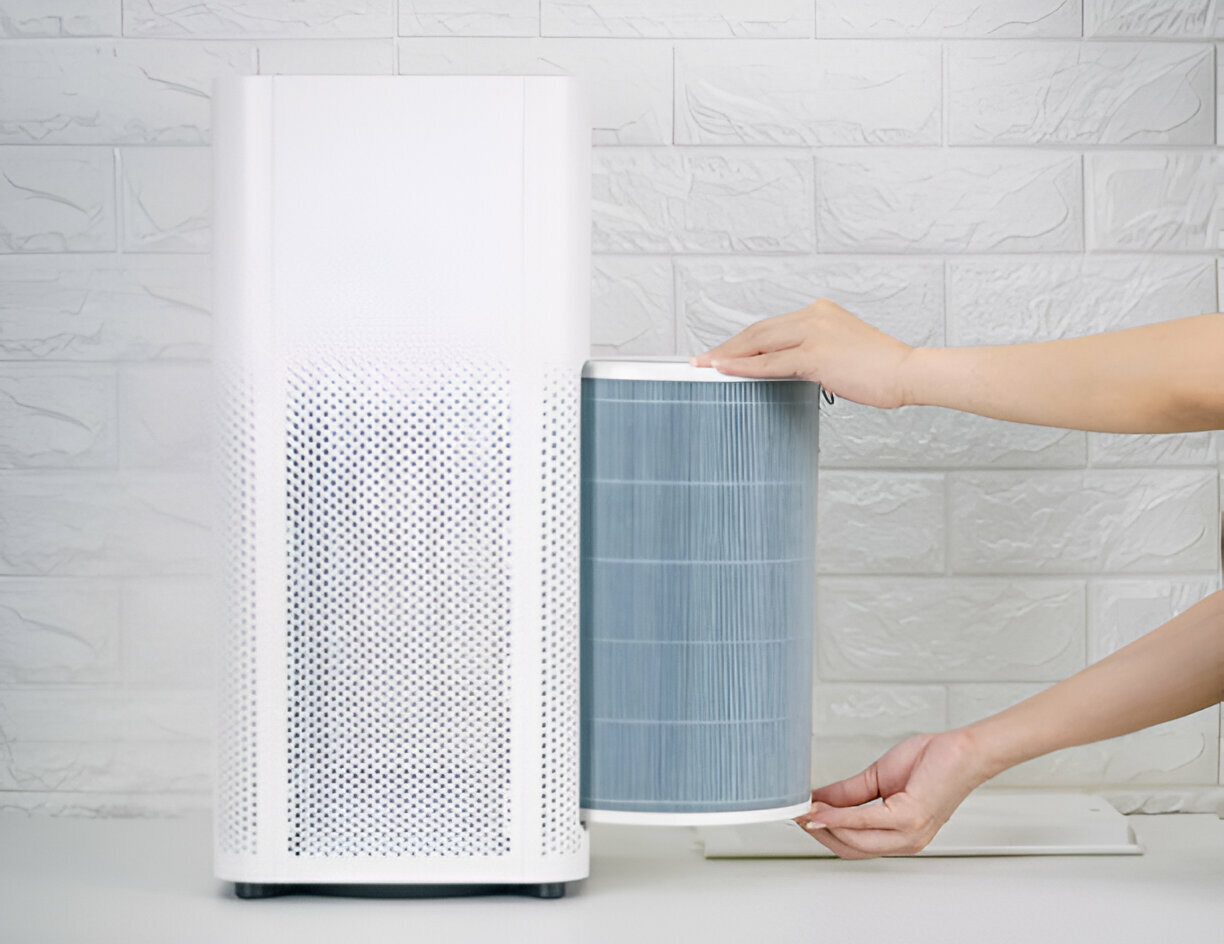
Why whole house filtration matters in Buckeye, AZ
- Buckeye’s arid climate and frequent dust events deliver high loads of coarse and fine dust into homes through open doors, windows, and poorly sealed ducts.
- Seasonal pollen (mesquite, palo verde) and occasional regional wildfire smoke increase fine particulate (PM2.5) exposure, which aggravates asthma and heart/lung conditions.
- Whole house systems protect all living spaces and paired HVAC components, reducing cleaning needs for coils and duct interiors and helping maintain system efficiency.
Types of whole house air filtration systems
- In-duct media filters: These are larger, pleated filter panels installed in a dedicated filter housing. They offer higher dust-holding capacity and lower pressure drop per efficiency level than thin disposable filters.
- High-efficiency MERV filters: MERV-rated filters are sized to capture different particle ranges. Higher MERV numbers capture smaller particles but can increase airflow resistance.
- Whole-house HEPA solutions: True HEPA performance requires a specialized in-duct unit or a dedicated plenum-mounted module. Because standard residential HVAC blowers may not push air effectively through true HEPA media, these systems are engineered with integrated blowers or bypass designs.
- Hybrid systems: Some installations combine a high-MERV prefilter with a HEPA module or include electronic air cleaners for additional particulate reduction.
Choosing the right filter rating for allergies and asthma
- For general dust and pollen reduction, mid-range MERV (e.g., MERV 8–11) captures most common allergens while maintaining low impact on airflow.
- For moderate to severe allergies or asthma and to capture fine particles including smoke and pet dander, higher MERV (MERV 13+) or engineered HEPA solutions provide significantly better removal of PM2.5 and ultrafine particles.
- Consider occupant sensitivity and existing HVAC blower capacity. Higher-efficiency filters increase resistance to airflow; if the air handler cannot compensate, performance and comfort can suffer.
- In Buckeye, seasonal shifts (pollen season and monsoon dust) often justify a higher-rated filter during peak months and a lower-resistance option the rest of the year if the HVAC system is marginal.
System sizing and compatibility with existing HVAC equipment
- Professional sizing looks at your HVAC’s airflow (CFM), static pressure capability, and available filter housing space. The goal is to match filtration performance without exceeding the system’s designed static pressure.
- Filter cabinet size matters: many furnaces and air handlers accept only limited filter depths. Upgrading to media or deeper pleated filters may require adding a dedicated filter housing or retrofitting the return plenum.
- Whole-house HEPA modules often require in-duct adapters or a bypass blower. Technical fit assessment ensures sufficient airflow and prevents strain on the blower motor.
- Duct sealing and return airflow optimization are part of a complete installation. Leaks or undersized returns can reduce filtration effectiveness and comfort.
Professional installation steps
- System evaluation: Inspect existing HVAC, measure airflow and static pressure, and identify filter housing limitations.
- Equipment selection: Choose a media filter size and MERV rating or HEPA module that meets health goals and is compatible with the system.
- Mechanical installation: Install filter housing, seal transitions, and mount any in-line blowers or HEPA modules. For media housings, ensure proper access for future filter changes.
- Commissioning: Test airflow, measure static pressure, and verify the HVAC system cycles properly. For advanced systems, measure particulate levels before and after to confirm improvement.
- Documentation: Provide filter specifications, recommended replacement intervals, and warranty details.
Maintenance and replacement schedules
- Maintenance schedules depend on local dust loads, system usage, and filter type. Buckeye’s dusty conditions generally require more frequent checks than cooler, less dusty climates.
- Standard pleated filters often need inspection monthly and replacement every 1–3 months in dusty conditions. Deeper media filters can hold more dust and may perform longer between changes—commonly several months to a year depending on loading.
- HEPA modules and electronic cleaners have different maintenance needs: prefilters should be replaced regularly, and HEPA elements inspected per manufacturer guidance.
- Routine professional annual inspections ensure seals remain tight, the filter housing is intact, and airflow remains within design parameters. Regular maintenance preserves air quality gains and protects HVAC longevity.
Expected air quality improvements
- Properly selected whole house filtration reduces settled dust, pollen, pet dander, and many PM2.5 particles throughout the living space, which often correlates with measurable reductions in allergy symptoms and fewer triggering events for sensitive occupants.
- In situations with seasonal smoke or high dust storms, whole house filtration—especially with higher-efficiency cartridges or HEPA modules—can significantly lower indoor fine particulate concentrations when doors and windows are closed.
- Results vary with system type, filter efficiency, and home envelope tightness. Combining filtration with good duct sealing, proper ventilation strategies, and source control yields the best outcomes.
Energy considerations and tradeoffs
- Higher-efficiency filters impose greater resistance to airflow. That can increase blower run time and energy use if the air handler compensates, or it can reduce airflow and comfort if it cannot.
- Media filters typically provide better dust-holding capacity for a given pressure drop compared with thin high-MERV panels, which helps balance efficiency and operating cost.
- Whole-house HEPA units with integrated blowers are engineered to move air through dense media without overloading the HVAC blower but will have their own energy profile to consider.
- A proper mechanical assessment balances filtration performance with energy efficiency for long-term operating cost and comfort.
Warranties and manufacturer coverage
- Filter elements and whole-house units are covered by manufacturer warranties that vary by product. Warranties commonly cover defects in materials and limited component failures; some require proper installation and regular maintenance to remain in effect.
- Keep purchase documentation and follow manufacturer maintenance intervals to ensure warranty validity. For retrofit installations, verify that adding a higher-efficiency filter does not void HVAC equipment warranties.
Whole house air filtration in Buckeye, AZ addresses the specific indoor air challenges of a desert environment: dust, pollen, and episodic smoke. Choosing the right combination of filter efficiency, compatible hardware, and an appropriate maintenance plan provides measurable improvements in indoor air quality while protecting HVAC equipment. Professional sizing and installation ensure filtration performance without compromising system airflow or longevity.
Customer Testimonials
Our customers consistently praise our exceptional service and quality products. Their feedback highlights our commitment to excellence and customer satisfaction.
