


Whole House Air Purification in Avondale, AZ
Whole-House air purification in Avondale helps indoor air quality; explore installation options and schedule a consultation to improve comfort today.
Whole House Air Purification in Avondale, AZ
Clean indoor air is incredibly important for homes in Avondale. The unique challenges of the Phoenix metro area—desert dust, seasonal pollen, monsoon-driven mold risks, and periodic smoke from regional wildfires or agricultural burns combine with indoor sources of VOCs to impact your air quality. A whole-house air purification approach, expertly implemented by Arizona TradeMasters, treats every room by integrating advanced technologies with your central HVAC system or with dedicated whole-home units. This comprehensive approach reduces allergens, microbes, smoke, odors, and chemical pollutants, ensuring your indoor environment is healthier and more comfortable for everyone.
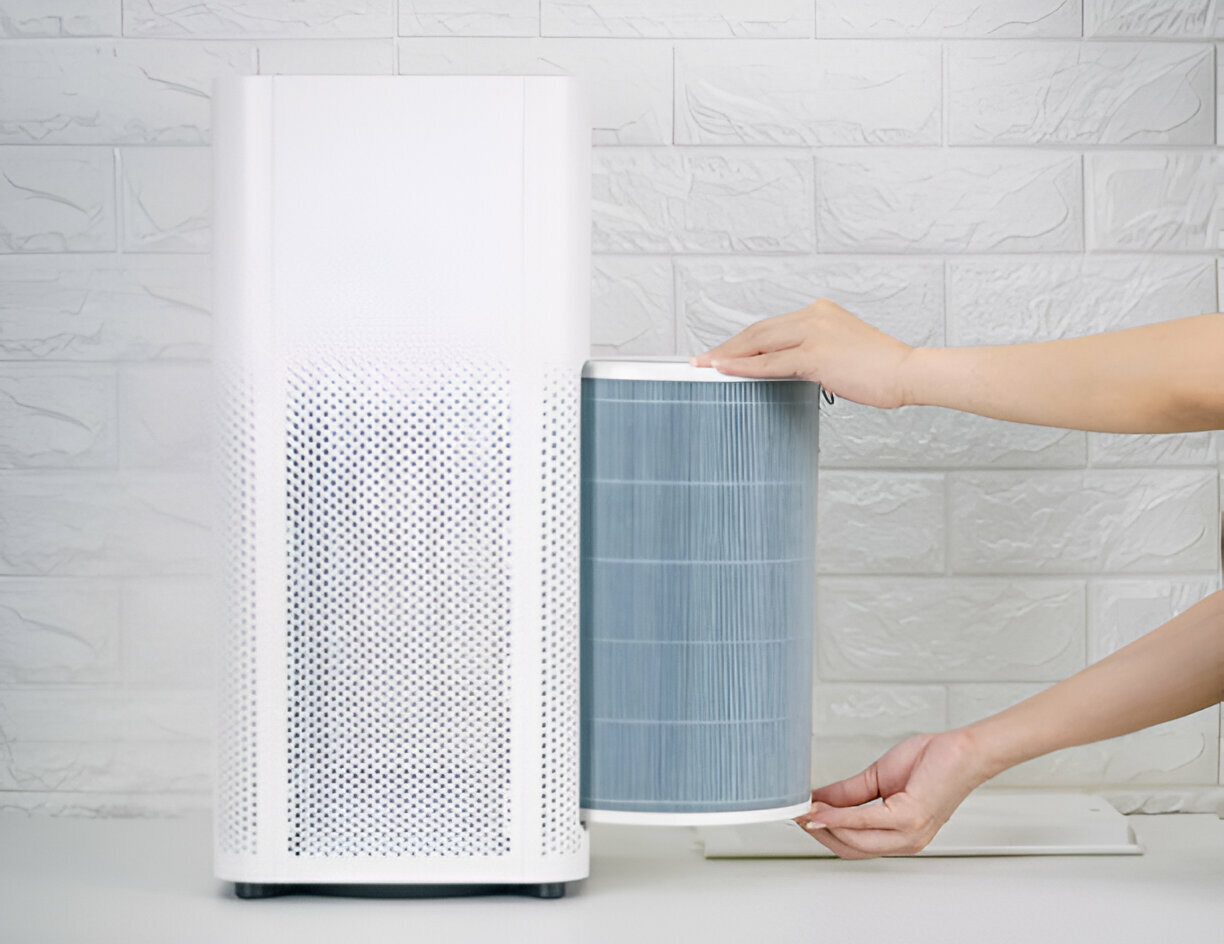
Why whole-house purification matters in Avondale, AZ
- Desert dust and fine particulates are constant contributors to indoor particulate loads. These particles aggravate asthma and allergies and can carry soot from wildfires.
- Hot, dry summers and cooler, wetter monsoon months create cycles of dust, pollen, and transient humidity that affect mold, odor, and HVAC effectiveness.
- Many homes rely on forced-air central systems, which make whole-house solutions efficient and cost-effective compared with multiple portable units.
- Indoor sources (cleaning products, paints, new furnishings) emit VOCs that linger in tight, cooled homes typical in the Valley of the Sun.
Common whole-house air quality problems in Avondale homes
- Persistent dust and fine particulate matter (PM2.5) from wind and local smoke
- Seasonal allergies from desert-adapted pollens and grasses
- Odors and volatile organic compounds (VOCs) from household products and building materials
- Microbial growth (surface mold, airborne bacteria and viruses) in poorly ventilated areas
- Diminished HVAC performance when filters and components become loaded with particles
Purification technologies: what they do and how they compare
Below are the primary whole-house technologies homeowners consider. Each has strengths and limits depending on the pollutant type.
- UV (Ultraviolet-C)
- How it works: UV-C lamps installed in the air handler irradiate air moving past the bulb, inactivating bacteria, viruses, and mold spores.
- Effective for: microbial control, preventing growth on coils and drain pans, reducing airborne pathogens.
- Limitations: UV does not remove particles or many VOCs; bulb output and airflow determine real-world effectiveness. Regular bulb replacement is required.
- Electronic/Electrostatic Precipitators
- How it works: Charged plates attract and trap particles; many are installed in-duct for whole-home coverage.
- Effective for: fine and coarse particles, including smoke and dust.
- Limitations: Some designs require plate cleaning; older models can produce ozone. Look for modern units with third-party verification and low or zero ozone emissions.
- Ionization / Bipolar Ion Generators
- How it works: Emit ions that attach to particles, causing them to clump and settle out or be trapped by filters.
- Effective for: reducing small particles and certain odors.
- Limitations: Some ionizers produce ozone as a byproduct; effectiveness for VOCs and pathogens varies substantially between products. Seek units with independent test data and CARB/UL compliance.
- Photocatalytic Oxidation (PCO)
- How it works: UV light activates a catalyst (usually titanium dioxide) to oxidize VOCs and odors into simpler compounds.
- Effective for: some VOCs and odors in low concentrations.
- Limitations: PCO performance in real-world settings is mixed; some systems generate byproducts if not properly designed. Choose systems with validated third-party testing.
- Filtration (MERV/HEPA)
- While not an active purifier, high-efficiency filtration is essential. A MERV 13 or higher in-duct filter or a true whole-house HEPA setup is the best way to remove PM2.5, pollen, and dust.
- Pairing filtration with an active purifier addresses both particulates and gases/microbes.
Purification vs Filtration: choosing the right mix
- Filtration removes particles. For smoke, dust, and pollen, filtration (MERV 13+ or HEPA) is the baseline.
- Purification technologies target biologicals, odors, and VOCs that filters don’t capture well.
- Best practice for whole-house air quality: combine mechanical filtration with targeted purification — for example, a high-efficiency in-duct filter plus a UV-C array for microbes and a PCO or low-ozone ionization solution for VOCs/odors if validated.
Installation options and considerations
- In-duct systems: Installed inside the HVAC return or air handler to treat all air passing through the system. Seamless, low-visibility option for many Avondale homes with central AC.
- Dedicated whole-home units: Mounted on the return or bypass ductwork; useful where in-duct space is limited or for retrofits.
- Standalone whole-house air handlers: Larger homes or systems without forced air may require dedicated circulation systems.
- Placement matters: UV lamps should be placed where air exposure time is maximized (near the coil or in slower airflow sections). Electronic units require accessible service panels for cleaning.
- Professional integration: Proper sizing, electrical work, and duct compatibility ensure performance and minimize strain on your HVAC system.
Maintenance and performance testing
- Routine tasks:
- Replace UV lamps per manufacturer schedule (typically annually).
- Clean electrostatic plates or pre-filters as required (monthly to quarterly depending on dust).
- Inspect and replace standard HVAC filters regularly (every 1–3 months; MERV 13+ may require more frequent checks in dusty seasons).
- Performance verification:
- Look for third-party test reports, CADR-like metrics for specific pollutants, and certifications (for example, UL standards, CARB compliance for ozone, AHAM verification where applicable).
- Consider baseline and follow-up indoor air quality measurements for PM2.5, VOCs, and CO2 to quantify improvements.
Health and indoor air quality benefits
- Reduced asthma and allergy symptoms by lowering indoor particulate loads and pollen.
- Fewer airborne microbes and less surface growth on HVAC components when UV systems are used appropriately.
- Lower odor and VOC levels with validated catalytic or adsorption technologies.
- Better overall comfort and HVAC efficiency when systems prevent coil fouling and maintain airflow.
Safety and regulatory notes important for Arizona homeowners
- Ozone concerns: Some older ionizing and electronic devices emit ozone, which can worsen respiratory issues. Choose products certified for low or zero ozone emissions and compliant with CARB or UL testing.
- Real-world performance varies: Manufacturer lab claims do not always match home conditions. Prioritize systems with independent, peer-reviewed testing or field studies relevant to conditions like smoke and high dust loads.
How to decide for your Avondale home
Consider these factors when selecting whole-house solutions:
- Primary concern: particles, microbes, VOCs, or smoke?
- HVAC system type and existing filtration capability
- Home occupancy patterns (children, seniors, asthma sufferers)
- Local exposures: proximity to frequent dust events, wildfires, or agricultural burning
- Maintenance willingness: some technologies are low-maintenance; others require regular cleaning and lamp replacement
- Verification: choose systems with independent testing and safety certifications
A combined approach — a high-efficiency in-duct filter plus targeted purification (UV for microbes; validated low-ozone catalytic or ion solutions for VOCs/odors) — typically delivers the most comprehensive whole-house air-quality protection for Avondale homes. Regular maintenance and third-party performance verification help ensure that the system performs reliably across the valley’s seasonal challenges.
Customer Testimonials
Our customers consistently praise our exceptional service and quality products. Their feedback highlights our commitment to excellence and customer satisfaction.
