


Whole House Dehumidification in Avondale, AZ
Discover whole-house dehumidification in Avondale, AZ to reduce humidity and mold risk. Learn install, maintenance, and costs for your home.
Tired of uncomfortable stickiness or worrying about mold in your Avondale, AZ home? Whole-house dehumidification offers consistent moisture control throughout your living spaces, actively reducing mold risk, unpleasant odors, and potential moisture damage, all while keeping you comfortable. We understand why humidity control is crucial, especially in our desert climate, and aim for indoor relative humidity targets of roughly 30–50%. Arizona TradeMasters helps you understand how refrigerant or desiccant systems integrate seamlessly with your existing HVAC. We'll walk you through sizing, installation, condensate handling, maintenance, and energy considerations, plus offer common troubleshooting tips. When properly selected and maintained by professionals like Arizona TradeMasters, these systems deliver reliable performance and long-term value for any Avondale home.
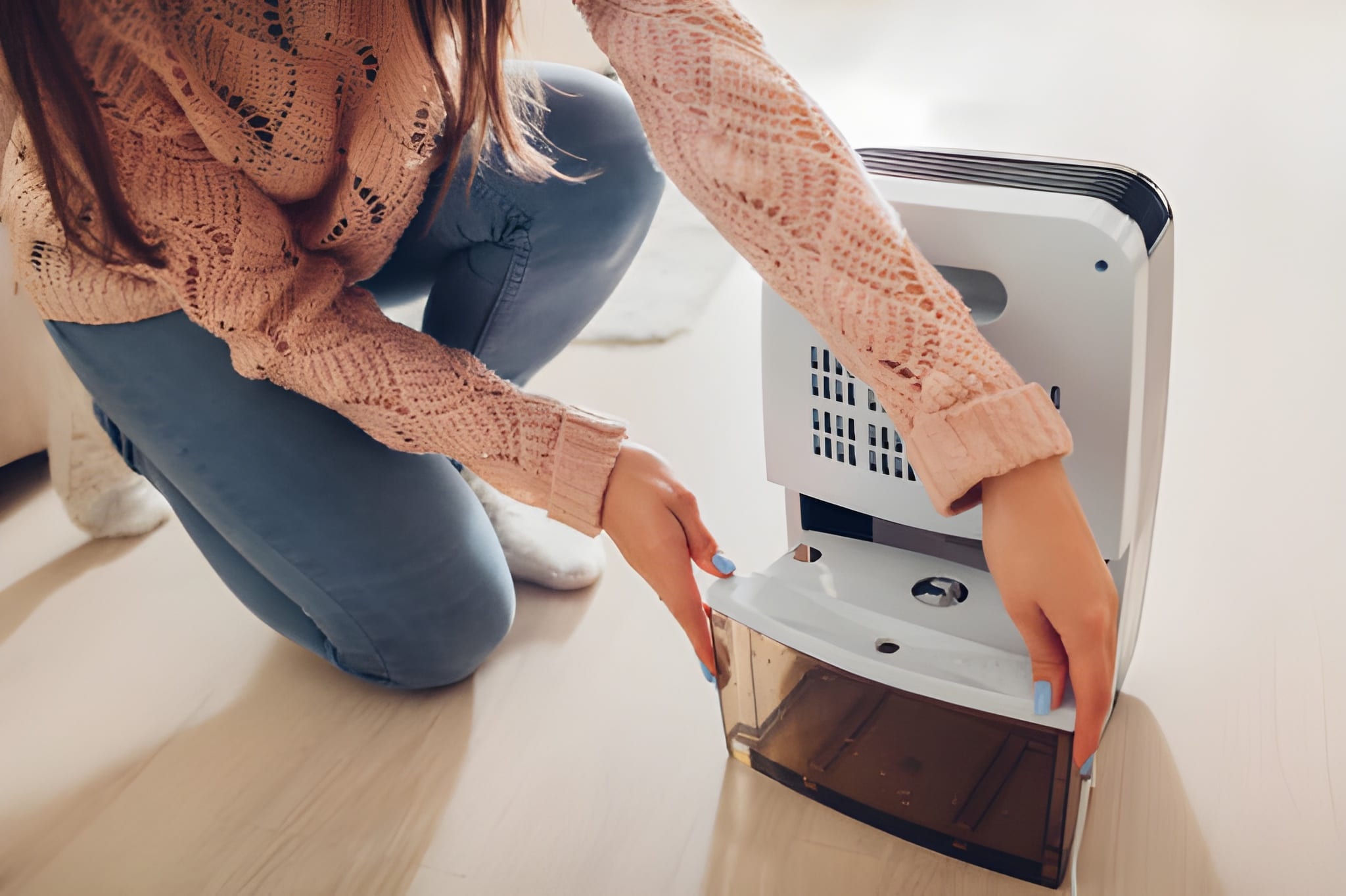
Whole House Dehumidification in Avondale, AZ
Excess indoor humidity undermines comfort, indoor air quality, and building materials even in desert climates like Avondale, AZ. A properly sized and installed whole-house dehumidifier removes the moisture that leads to mold, mildew, musty odors, and sticky indoor air during the monsoon season and after irrigation or pool use.
Why whole house dehumidification matters in Avondale, AZ
- Monsoon season and localized humidity spikes make indoor humidity control necessary even in a desert climate. Heavy summer storms, backyard pools, and frequent irrigation can raise indoor latent load.
- High humidity increases mold and mildew risk in attics, closets, and around windows where temperatures fluctuate.
- Controlling humidity improves comfort without overcooling the home, reduces odors, and protects wood floors, cabinetry, and electronics from moisture damage.
- Whole-house systems treat all living spaces consistently, avoiding the limits of portable units that only cover single rooms.
Recommended indoor humidity range for Avondale homes
Aim for an indoor relative humidity (RH) between 30 and 50 percent, with many homeowners preferring 35 to 45 percent during the summer. Lower RH near 30 percent may be appropriate in cooler months to reduce condensation on windows; higher RH within the recommended range can feel more comfortable without encouraging mold growth. Seasonal adjustment is important in Avondale because RH and indoor comfort needs change from dry winter mornings to humid monsoon afternoons.
How whole-home dehumidifiers work
Whole-house dehumidifiers remove moisture from the air using one of two main methods:
- Refrigerant (compressor-based) dehumidification: Air is passed over cold coils where moisture condenses, then reheated slightly before returning to the duct system. This is the most common solution for Arizona homes and pairs well with central air systems.
- Desiccant dehumidification: Moisture is absorbed by a desiccant material and then driven off with heat. Desiccant systems excel in low-temperature environments and specialized applications but are uncommon for typical Avondale residences.
Typical installations mount the dehumidifier in the return or supply plenum of the central HVAC system or as a dedicated inline unit. An integrated humidistat or a smart controller monitors RH and modulates the dehumidifier to maintain set points.
Common whole house dehumidifier issues in Avondale
- Elevated indoor humidity during monsoon storms or after irrigation despite AC running.
- Localized mold growth in closets, bathrooms, or attic when airflow and ventilation are limited.
- Excessive runtime and energy use when the system is undersized or poorly controlled.
- Condensate drainage problems leading to leaks or standing water.
- Improper humidistat placement causing inaccurate RH readings and poor control.
System sizing and selection
Selecting the right system requires balancing house size, construction, occupancy, and local latent loads:
- Capacity is commonly rated in pints per 24 hours at standard AHAM conditions. For Avondale homes, consider higher capacities if you have a pool, humidifier, many occupants, or frequent outdoor humidity intrusion.
- A typical single-family home often needs a whole-house dehumidifier sized between 30 and 70 pints per day, but precise sizing is based on calculated latent load and desired indoor RH.
Factors to account for:
- Square footage and ceiling height
- Number of occupants and typical activities (laundry, cooking)
- Pools, spas, and irrigation systems
- Insulation, envelope tightness, and duct leakage
- Choose units with efficient performance metrics, corrosion-resistant coils, and integrated controls compatible with your existing thermostat or building automation.
Integration with HVAC and condensate handling
- Most whole-house dehumidifiers are installed in the HVAC return plenum or adjacent to the air handler. Proper location ensures uniform humidity control and minimizes static pressure issues.
- Controls: Use an independent humidistat or integrated smart controller. Place the sensor in a central living area away from direct supply registers, bathrooms, and kitchens to get representative RH readings.
- Condensate handling options:
- Gravity drain to an existing condensate line
- Condensate pump for locations below grade or where gravity drainage is not possible
- PVC or flexible tubing routed to an exterior drain or to the home’s condensate disposal point
- Ensure the waste line has a trap and is accessible for cleaning to prevent clogs and microbial growth.
Installation steps (typical)
- Site assessment: measure airflow, duct size, access points, and condensate routing options.
- Choose location: near the air handler or in a return plenum to optimize airflow and minimize duct runs.
- Mount unit and connect to ductwork with sealed transitions to maintain system pressure balance.
- Connect electrical wiring and controls in accordance with local code.
- Install condensate drain or pump with an accessible cleanout and check valve if required.
- Commissioning: verify airflow, set humidistat, test drainage, and confirm unit runs through full cycles and interacts correctly with the HVAC system.
Maintenance and seasonal considerations
- Regular maintenance preserves performance and prevents failures:
- Clean or replace pre-filters according to manufacturer guidance.
- Inspect and flush condensate drain and trap to prevent clogs and algae buildup.
- Inspect coils and fans for dust accumulation; clean as needed.
- Schedule annual professional inspection to verify refrigerant charge, electrical connections, and control calibration.
- Seasonal notes for Avondale:
- During monsoon season monitor RH more frequently and adjust set points to prevent spikes.
- In cooler winter nights, avoid over-dehumidifying; some homes benefit from a slightly higher set point to reduce static and preserve wood finishes.
Energy efficiency and operating considerations
- Efficiency varies by unit design. Look for models with favorable pints-per-kWh performance and variable-speed fans or compressors that modulate output to match demand.
- Whole-house dehumidification can reduce overall cooling load by allowing slightly higher thermostat set points while maintaining comfort, but it will add electrical load for the dehumidifier itself.
- Operating costs depend on usage patterns, local electricity rates, and seasonal humidity. Efficient controls, proper sizing, and integration with your HVAC reduce unnecessary runtime and improve cost-effectiveness.
Troubleshooting tips
- Unit runs but humidity remains high:
- Check humidistat placement and calibration.
- Inspect airflow and duct seals; low airflow reduces latent removal.
- Verify condensate line is clear and the unit is not short cycling.
- Water leaks or overflowing drain:
- Inspect condensate drain line for clogs, check the pump (if present), and verify trap installation.
- Frequent cycling or short runtime:
- Unit may be oversized for the space or the control settings may be incorrect; proper staging or smart controls help.
- Excessive noise or vibration:
- Check mounting, fan balance, and duct connections for loose components.
- Frost or icing on coils:
- Typically indicates low airflow, extremely low ambient temperatures, or refrigerant issues; professional service required.
Benefits and long-term value
Whole-house dehumidification in Avondale protects your home and improves daily comfort by preventing mold growth, reducing musty odors, stabilizing wood floors and furniture, and providing a healthier indoor environment for allergy sufferers. When properly selected, installed, and maintained, a whole-home dehumidifier delivers consistent humidity control across all living spaces, integrates with your existing HVAC system, and gives predictable, efficient performance through seasonal changes common to Avondale.
A well-planned whole-house dehumidification solution balances capacity, controls, and drainage to match local climate conditions and household needs, delivering reliable moisture control and peace of mind for homeowners in Avondale, AZ.
Customer Testimonials
Our customers consistently praise our exceptional service and quality products. Their feedback highlights our commitment to excellence and customer satisfaction.
