


Whole House Dehumidification in Mesa, AZ
Mesa, AZ offers professional whole-house dehumidification to control humidity, protect materials, and improve comfort.
Whole House Dehumidification in Mesa, AZ
For a healthier, more comfortable home in Mesa, AZ, taking control of your indoor humidity is a game-changer. We all know the Phoenix metro area for its hot, dry summers, but monsoon season and landscaping irrigation can absolutely lead to periodic indoor humidity spikes. These spikes are a breeding ground for mold, dust mites, and those unwelcome musty odors. That's why Arizona TradeMasters specializes in whole-house dehumidification for Mesa, AZ homes it's the smart way to maintain stable indoor humidity, protect your valuable building materials and furnishings, and significantly improve your comfort without having to blast your AC and overcool your home.
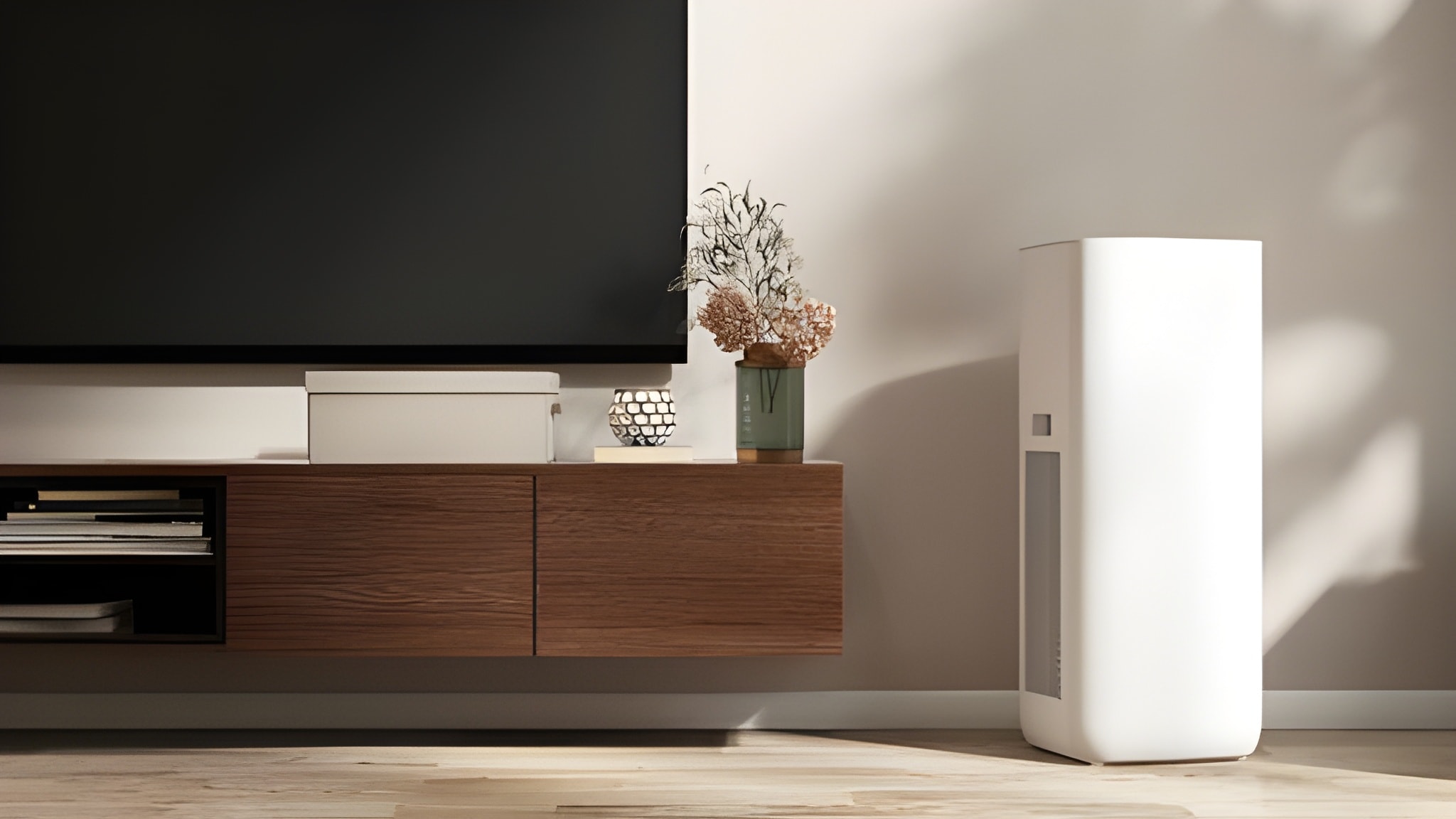
Why whole-home humidity control matters in Mesa, AZ
- Monsoon season increases outdoor humidity and can push moisture into homes through windows, doors, and poorly sealed envelopes.
- Sprinkler systems, pools, spas, and laundry contribute to indoor moisture loads that a central AC alone may not fully remove.
- High indoor relative humidity encourages mold growth, wood warping, and increased dust mite populations, which impact health and property value.
- Maintaining recommended indoor humidity levels helps prevent these problems while keeping cooling energy use efficient.
Recommended indoor humidity ranges
- Ideal range for comfort and mold prevention: 30% to 50% relative humidity.
- In Mesa, with very hot daytime temperatures, many homeowners find 30% to 45% balances comfort and system efficiency.
- Lower setpoints can be used in cooler months if interior surfaces approach condensation risk.
Types of whole-home dehumidifiers and integration with ducts
- In-line or in-duct dehumidifiers: Installed directly into the return or supply ductwork and serve the entire home through the existing HVAC distribution system. These are common for central systems and blend with existing airflows.
- Standalone whole-house dehumidifiers: Larger condensing units placed in mechanical rooms or attics that connect to ductwork and the drain system without being mounted inside the air handler.
- Desiccant systems: Use adsorption media and are effective at lower temperatures; less common for typical Mesa homes but useful in special cases like enclosed pool areas.
- Integration considerations: Whole-home units can operate with the air handler or independently, using dedicated fans or the HVAC blower. Proper bypass dampers, control wiring, and sensor placement ensure balanced airflow and accurate humidity control.
Sizing and capacity selection for Mesa homes
- Capacity measured in pints per day (ppd) reflects how much moisture a unit removes under standard conditions.
- Sizing depends on square footage, ceiling height, occupancy, number of bathrooms, presence of pools/spa, and local moisture sources like irrigation runoff.
- For slab-on-grade Mesa homes with open floor plans, airflow patterns and return placement affect effective coverage; a professional load assessment calculates realistic moisture loads and recommends appropriate capacity.
- Oversizing can lead to short-cycling and inefficiency; undersizing leaves humidity uncontrolled. Proper sizing optimizes comfort and operating cost.
Typical installation process
- Site assessment: Determine best placement near the air handler or in an accessible mechanical space. Evaluate duct connections, condensate drainage routes, and electrical access.
- Drainage: Options include gravity drain to nearby floor drain, tie-in to home drain, or condensate pump where gravity is not feasible. PVC or flexible tubing with proper traps and slopes is standard.
- Electrical: Whole-home dehumidifiers usually require a dedicated circuit and proper disconnects per code. Controls integrate with HVAC thermostats or use dedicated humidistats.
- Mounting and duct connections: Units are secured to pads or brackets, duct collars sealed, and return/supply pathways verified for minimal leakage. Commissioning includes checking airflow, verifying setpoints, and confirming condensate flow.
Energy use and efficiency
- Modern whole-home dehumidifiers use refrigeration technology with efficient compressors and ECM fans to minimize energy use. Look for units with high energy efficiency ratios and variable-speed components that match output to need.
- In Mesa’s hot conditions, dehumidifiers working alongside air conditioning often reduce overall cooling runtime by allowing higher thermostat setpoints while keeping comfort.
- Properly sized and integrated systems will deliver the best balance of moisture control and energy consumption.
Common issues and diagnostics
- Insufficient dehumidification: May indicate undersized unit, clogged filters, bypass air, or improper control settings.
- Short cycling: Often caused by oversizing or control misconfiguration.
- Frozen coils: Can happen if airflow is restricted or temperatures drop below the unit’s operating range.
- Leaks or condensate backups: Caused by blocked drains, improper pitch, or failed condensate pumps.
- A diagnostic check includes airflow measurement, humidity sensor verification, condensate path inspection, and electrical testing.
Benefits for mold prevention, comfort, and home protection
- Reduces mold and mildew risk on walls, ceilings, and inside cavities by keeping relative humidity below mold-friendly thresholds.
- Limits dust mite populations and reduces allergy triggers.
- Improves perceived comfort without overcooling, enabling higher thermostat settings and potential energy savings.
- Protects wood floors, cabinetry, instruments, and electronics from moisture-related damage, prolonging their life.
Maintenance and seasonal operation tips for Mesa homeowners
- Change or clean filters regularly, typically every 3 months or per manufacturer guidance.
- Flush condensate lines and check pumps before monsoon season when humidity spikes are likely.
- Schedule an annual inspection to clean coils, verify controls and sensors, and test drainage and electrical components.
- Adjust setpoints seasonally: higher dehumidification demand during monsoon months, lower demand in dryer winter months.
- If you have an enclosed pool or indoor spa, consider separate dehumidification designed for the continuous high-moisture load.
Service plans and warranties
- Common service plans bundle annual Tune-Ups, filter changes, condensate line cleaning, and priority maintenance scheduling to keep systems operating at peak performance.
- Warranties typically cover parts and sealed system components for defined periods; routine maintenance helps preserve warranty eligibility and system longevity.
- A documented maintenance record is valuable for troubleshooting and for future homeowners.
Whole house dehumidification in Mesa, AZ provides reliable moisture control tailored to local conditions like monsoon humidity, irrigation influence, and common home construction types. Proper sizing, professional installation, and regular maintenance ensure effective mold prevention, improved comfort, and efficient operation throughout the year.
Customer Testimonials
Our customers consistently praise our exceptional service and quality products. Their feedback highlights our commitment to excellence and customer satisfaction.
