


Furnace Repair in Glendale, AZ
Furnace repair in Glendale, AZ ensures safe, reliable heat with rapid diagnostics and emergency or same-day service. Learn more.
Furnace Repair in Glendale, AZ
When your furnace fails in Glendale, AZ, it affects comfort, safety, and building operations. Whether servicing a single-family home, a townhouse, or a commercial space, prompt and accurate furnace repair in Glendale, AZ is critical especially given the region’s hot, dusty climate that creates unique operating stresses on heating systems used during cool winter nights and transitional seasons. Arizona TradeMasters outlines common furnace problems in Glendale, the diagnostic and repair process, emergency and same-day service options, parts replacement practices, technician qualifications, typical repair timelines, and warranty considerations to help you make an informed decision.
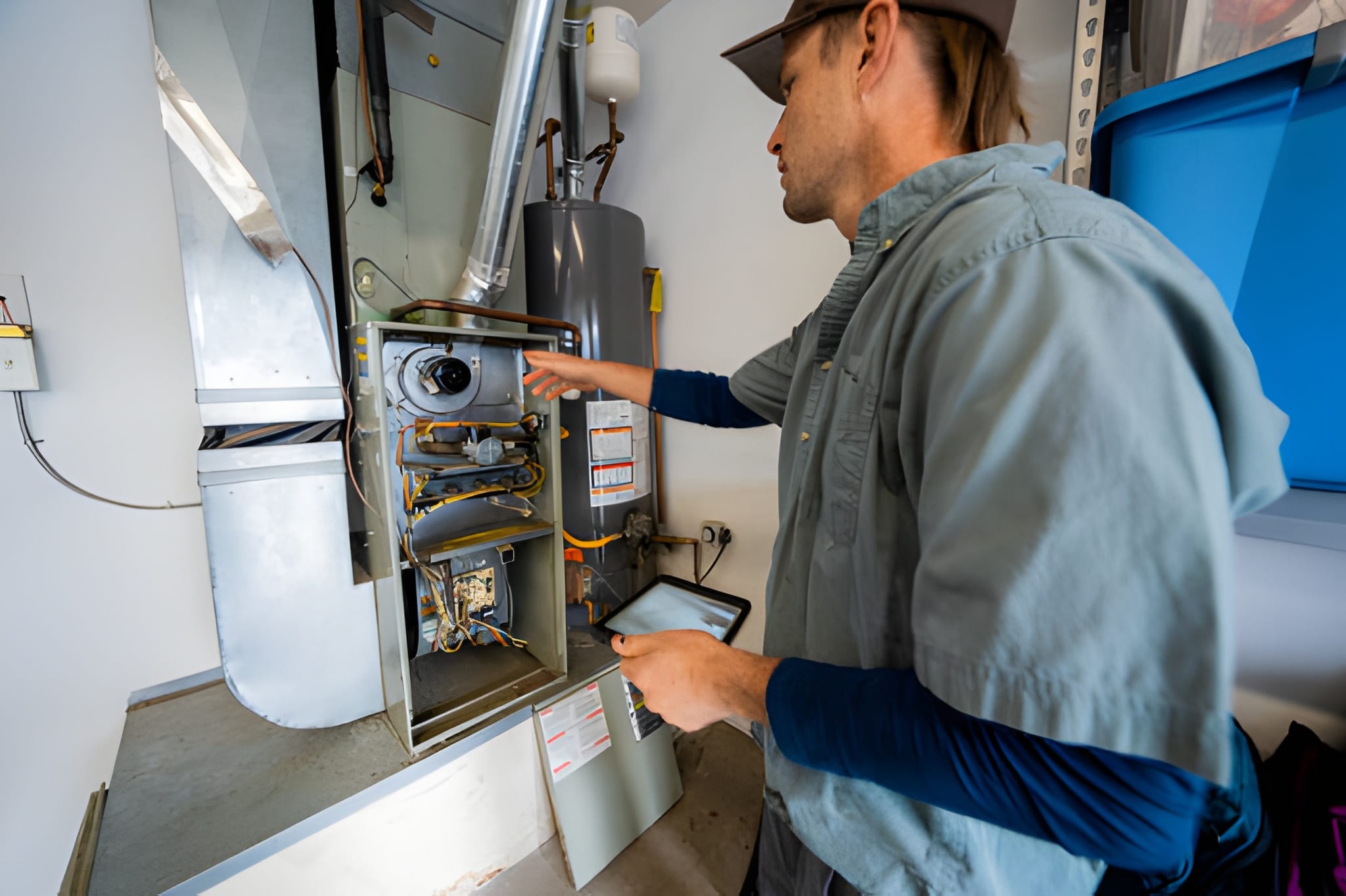
Why timely furnace repair matters in Glendale, AZ
Even though Glendale’s winters are milder than many parts of the country, furnaces are still essential for overnight and early-morning comfort. Delayed repairs can cause:
- Increased energy bills from inefficient operation
- Progressive component damage (turning a small fix into a major replacement)
- Safety hazards from gas or electrical faults
- Downtime for businesses that rely on consistent HVAC performance
Prompt, professional furnace repair in Glendale, AZ minimizes these risks and restores reliable operation.
Common furnace repair issues in Glendale, AZ
Homes and businesses in Glendale typically see these failure modes:
- Ignition and pilot issues: Intermittent ignition, failed hot surface igniters, or weak pilot flames caused by dust buildup or age.
- Blower motor and fan problems: Motors that hum, run slowly, overheat, or fail from dust accumulation and bearing wear.
- Heat exchanger faults: Cracks or corrosion that can lead to carbon monoxide concerns and require immediate attention.
- Gas valve and control issues: Faulty valves, pressure problems, or control board failures that prevent consistent fuel flow or safe operation.
- Electrical and thermostat faults: Loose wiring, failing transformers, and communication issues between the thermostat and furnace control board.
- Airflow restrictions: Clogged filters, blocked ducts, or obstructed vents that reduce efficiency and stress system components.
Understanding these common furnace repair issues in Glendale, AZ helps homeowners and facility managers recognize symptoms early and prioritize repairs.
Step-by-step diagnostic and repair process
A clear, methodical approach ensures repairs are safe and long-lasting:
- Initial intake and history: Collect symptoms, previous service history, and any recent changes in performance.
- Safety checks: Verify gas shutoff status, check for carbon monoxide, and ensure power isolation before work begins.
- Visual inspection: Assess the cabinet, burners, heat exchanger, wiring, and venting for obvious damage or corrosion.
- Component testing: Use diagnostic tools to test igniters, flame sensors, gas pressure, blower motors, capacitors, and control boards.
- Diagnostic codes and performance runs: Read control board codes and run the system to observe behavior under load.
- Report and options: Provide a clear explanation of findings, viable repair options, and expected outcomes.
- Repair or replacement: Perform required repairs—cleaning, component replacement, or adjustment—using specified parts and following safety standards.
- System verification: Confirm safe ignition, correct flame pattern, proper airflow, and stable thermostat communication.
- Documentation and recommendations: Leave a report that explains repairs performed and offers maintenance guidance to prevent recurrence.
Repairs, parts replacement policies, and standards
Quality furnace repair in Glendale, AZ adheres to consistent parts and policy standards:
- OEM-first approach: When possible, original equipment manufacturer (OEM) parts are recommended for compatibility and longevity. Approved aftermarket parts may be used when OEM parts are unavailable or when they provide an equivalent, industry-standard solution.
- Parts sourcing and inventory: Common components such as igniters, flame sensors, capacitors, motors, and control boards are typically stocked to enable faster repairs.
- Disposal and replacement: Removed components are disposed of responsibly. Heat exchangers or major safety components are replaced, not patched, when compromised.
- Warranty on parts and labor: Repaired components commonly carry a parts warranty aligned with manufacturer terms. Labor warranties for repair work are often provided for a defined period to protect against issues directly related to the service.
Emergency and same-day furnace repair in Glendale, AZ
Glendale’s weather events, dust storms, or sudden equipment failures can require fast response. Emergency and same-day furnace repair options typically include:
- Rapid-response dispatch to diagnose and stabilize safety-critical faults
- Priority scheduling for commercial accounts to reduce downtime
- Temporary solutions to restore heat safely until permanent repairs can be completed
These expedited pathways prioritize safety and minimize disruption for homes and businesses.
Technician certifications and standards
Look for technicians with recognized credentials and ongoing training:
- NATE-certified technicians for proven HVAC competency
- EPA 608 certification for safe refrigerant handling where systems are combined
- State and local licensing where required for gas and electrical work
- Documented continuing education on modern control systems, gas safety, and diagnostic equipment
Certified technicians follow established safety protocols and manufacturer service specifications.
Typical repair timelines and what to expect
Repair timelines vary by issue severity:
- Diagnostics: 30 minutes to 2 hours for thorough evaluation
- Minor repairs: 30 minutes to 2 hours (filters, igniters, sensors, capacitors)
- Moderate repairs: 2 to 4 hours (blower motors, control board replacement)
- Major repairs or component replacements: Half a day to a full day, sometimes staged over multiple visits if special-order parts are required
These timelines reflect an emphasis on safety verification and proper testing before returning equipment to service.
Warranty considerations and follow-up
- Manufacturer warranties on major components (heat exchangers, compressors, control boards) vary; retaining installation and service records helps preserve coverage.
- Labor warranties for repair work are commonly issued for a limited timeframe to protect against workmanship issues.
- Recommended follow-up: Post-repair inspections and seasonal Tune-Ups reduce future repair frequency and extend equipment life—especially important in Glendale’s dusty environment.
Maintenance tips for Glendale homes and businesses
Preventive steps tailored to Glendale’s climate reduce repair frequency:
- Replace or clean filters monthly during high-use seasons
- Schedule annual inspections before fall and after the monsoon season
- Keep outdoor units and vents clear of debris and dust accumulation
- Monitor carbon monoxide detectors and ensure proper venting
Regular care prevents small issues from becoming costly repairs and maintains safe operation.
Customer Testimonials
Our customers consistently praise our exceptional service and quality products. Their feedback highlights our commitment to excellence and customer satisfaction.
